
METHOD IN MOTION
Berlin · Where it dispersed
After Weimar’s origin and Dessau’s implementation, Berlin marks the break and redistribution. Bauhaus is no longer a single school, but a method moving through archives, housing, and institutions — a city read through fragments and structure.
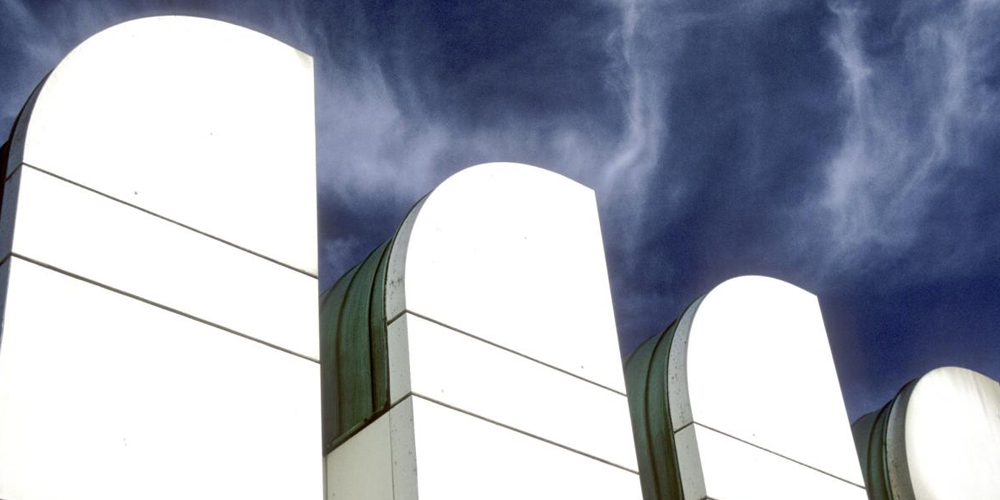
Read Berlin as dispersion
Not one building. A network of evidence — where Bauhaus becomes archive, city, and cultural infrastructure.
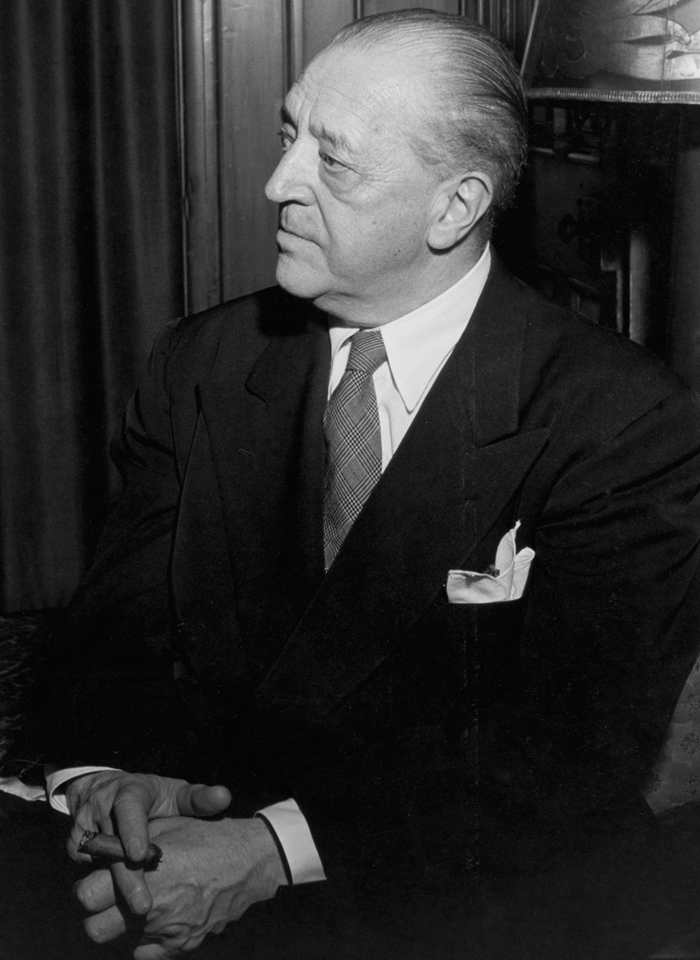
Bauhaus locations in Berlin
Clear structure. Short reading. Optional depth.
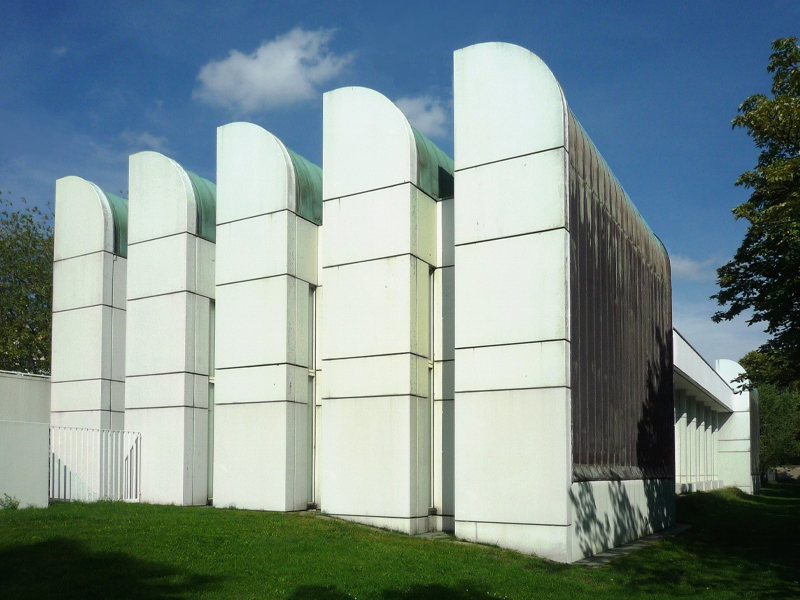
Bauhaus-Archiv / Museum für Gestaltung
The memory machine: objects, documents and research that keep Bauhaus readable after the school is gone.
Berlin turns Bauhaus into evidence. Here the method survives as collection, scholarship, and public access — clarity over myth.
- Collection-based reading: prototypes, typography, photography, everyday design
- Research logic: Bauhaus as method, not nostalgia
- Where “what remains” becomes structured knowledge
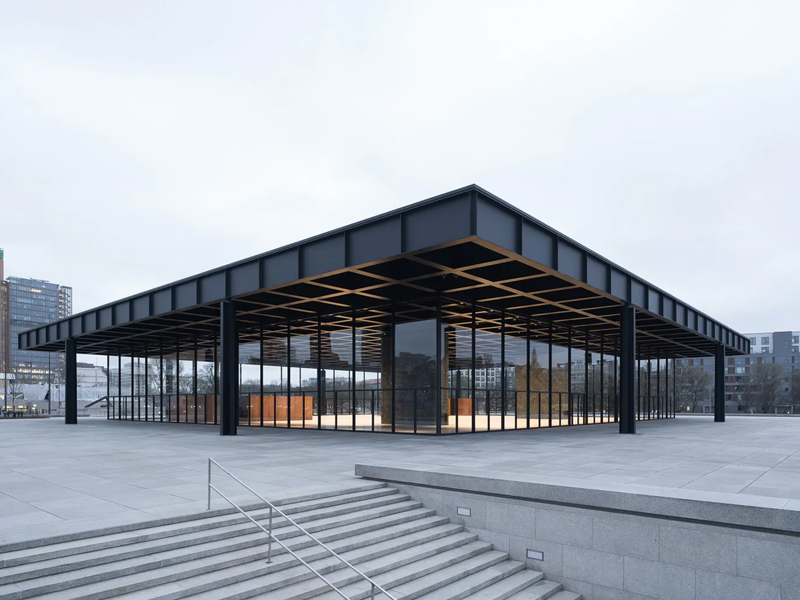
Neue Nationalgalerie
A late-modern temple of structure: Mies van der Rohe’s clarity as civic room for 20th-century art.
Not an exhibition box, but a disciplined frame: roof, grid, and proportion. Bauhaus method continues as architectural ethics.
- Structure first: a single roof as organizing idea
- Public culture as a spatial system
- Modern art inside a modern order

Haus Lemke
Brick, proportion, and restraint: a domestic micro-system by Mies, where living becomes architectural logic.
Berlin holds Bauhaus not only as museums, but as built life. Here “less” is not style — it is a working order for daily routines.
- Domestic plan as disciplined sequence
- Material honesty: brick as structure and atmosphere
- Interior as part of the architectural argument

ADGB-Bundesschule Bernau
Education as infrastructure: a campus organized for collective learning, discipline, and social purpose.
This is Bauhaus after Dessau’s “system”: architecture tuned to behavior, rhythm, and the needs of a learning community.
- Campus logic: circulation, light, and function as teaching tools
- Collective life designed as part of pedagogy
- Modernism with a social mandate
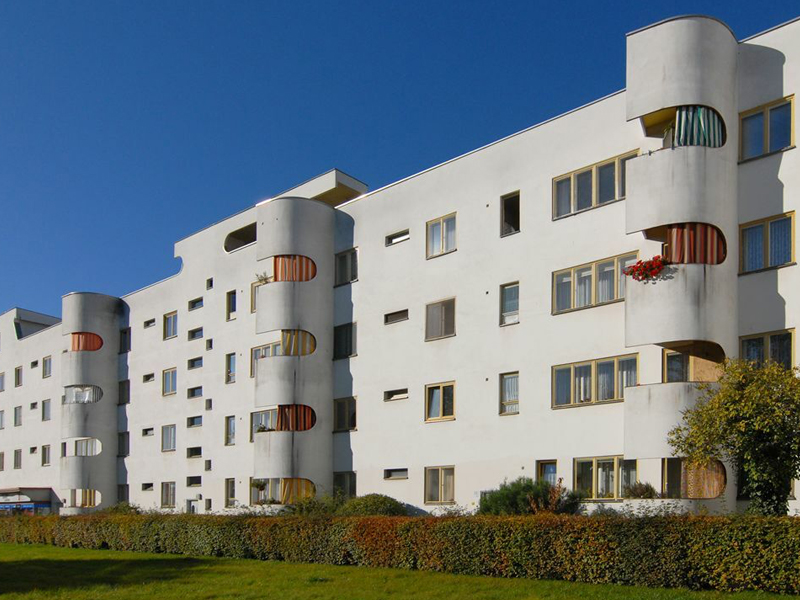
Siemensstadt Ringsiedlung
Modern housing at scale: urban planning as a repeatable system — light, air, and rational dwelling.
Berlin reads Bauhaus through neighborhoods: housing as a civic project. Not a single icon — a coordinated language of life.
- Urban blueprint over individual gesture
- Standardization with human consequences
- Modernism becomes everyday environment

Hufeisensiedlung
A social form in the city: housing as a planned community — color, repetition, and collective life.
Berlin’s modernism is not only minimalism. It is urban responsibility: healthy dwelling, readable streets, and communal rhythm.
- Housing estate as spatial choreography
- Color and proportion as orientation tools
- Modern living as a public good
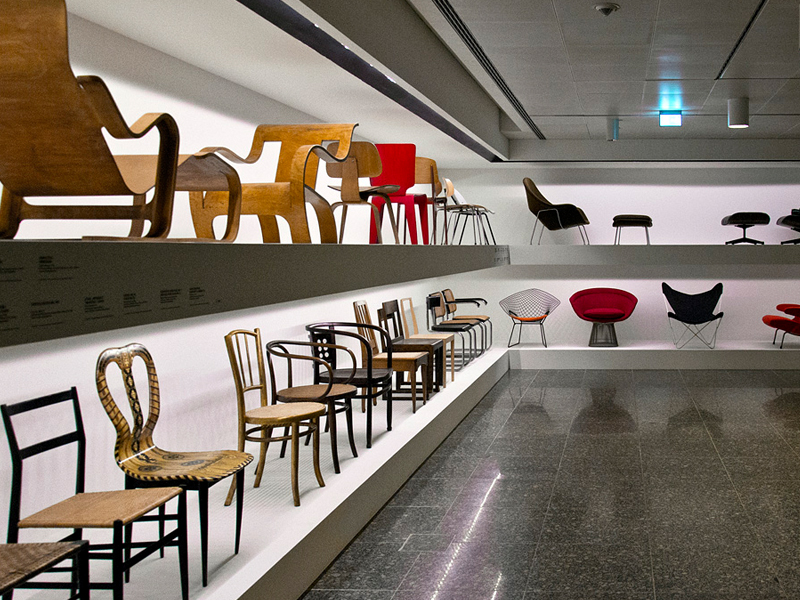
Kunstgewerbemuseum Berlin
Design as evidence: interiors, objects, and craftsmanship where modern life becomes material culture.
This is where “Bauhaus” stops being a word and becomes an object you can read — proportion, joints, surfaces, and intent.
- Applied arts and design history as a continuous line
- Interiors as systems: furniture, textiles, lighting
- Method made visible through objects, not slogans

Kulturforum Berlin
An urban cluster of modern culture: museums, libraries, and music — modernism as institutional landscape.
Berlin translates Bauhaus into a field: architecture, knowledge, and public access assembled into one civic interface.
- Modernism as an ensemble, not an isolated monument
- Culture as infrastructure: learning, viewing, listening
- A city-scale “program” for the 20th century
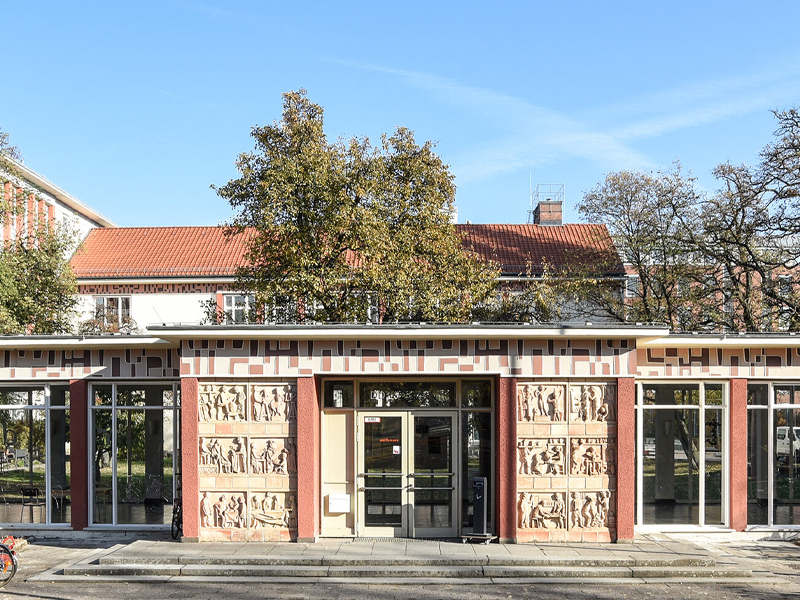
Weißensee Kunsthochschule
A living education line: design, material, and practice as contemporary continuation of workshop thinking.
Berlin shows what “after Bauhaus” means: the method persists where making meets reflection — in studios, materials, and critique.
- Design education anchored in material intelligence
- Practice and discourse as a single loop
- Where the Bauhaus question stays alive: how should we build and make?
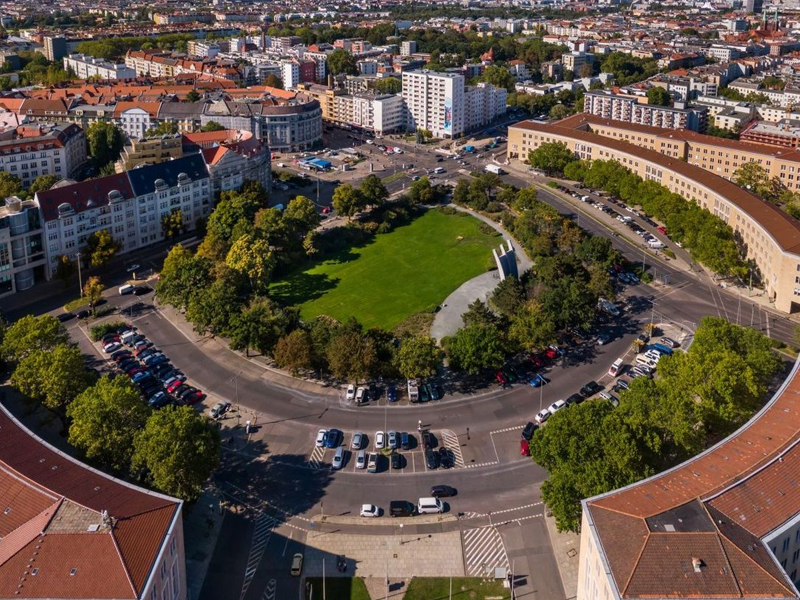
Berlin as Urban Space
The city itself as the site: modernism scattered across districts — readable through movement, transit, and scale.
This is the Berlin chapter in one sentence: the Bauhaus is not located — it is distributed. You learn by connecting fragments.
- Urban reading: sequences instead of highlights
- Modernism as networks: housing, museums, schools
- Method travels: observation, comparison, context

Mies van der Rohe Villas
Berlin’s suburban modernism: early domestic work where proportion, craft, and restraint become a private system.
Beyond the famous museum grid, Berlin holds quieter evidence: houses that test modern living through plan, detail, and material.
- Domestic architecture as a discipline of decisions
- Private life designed as sequence and calm
- Berlin’s outskirts as a laboratory of modern dwelling
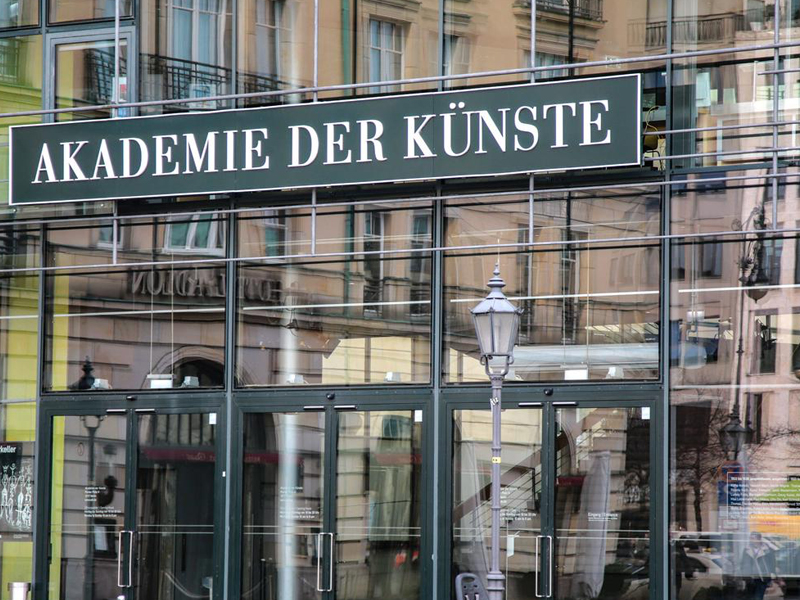
Akademie der Künste
Where modern culture is stored and debated: an archive of practice, ideas, and architectural thought.
Berlin’s end chapter is not an ending. It is an archive-state: preservation, critique, and public discourse — method as responsibility.
- Archive as active memory, not storage
- Architecture and art as public conversation
- Where the “afterlife” of modernism stays legible
Walter Gropius · Where it dispersed
Break · Dispersion · Legacy
Continue with The Journey.
Berlin is the dispersion chapter. The Journey connects these layers — origin, system, and legacy — into one readable route with clear structure and depth where it matters.
View The Journey