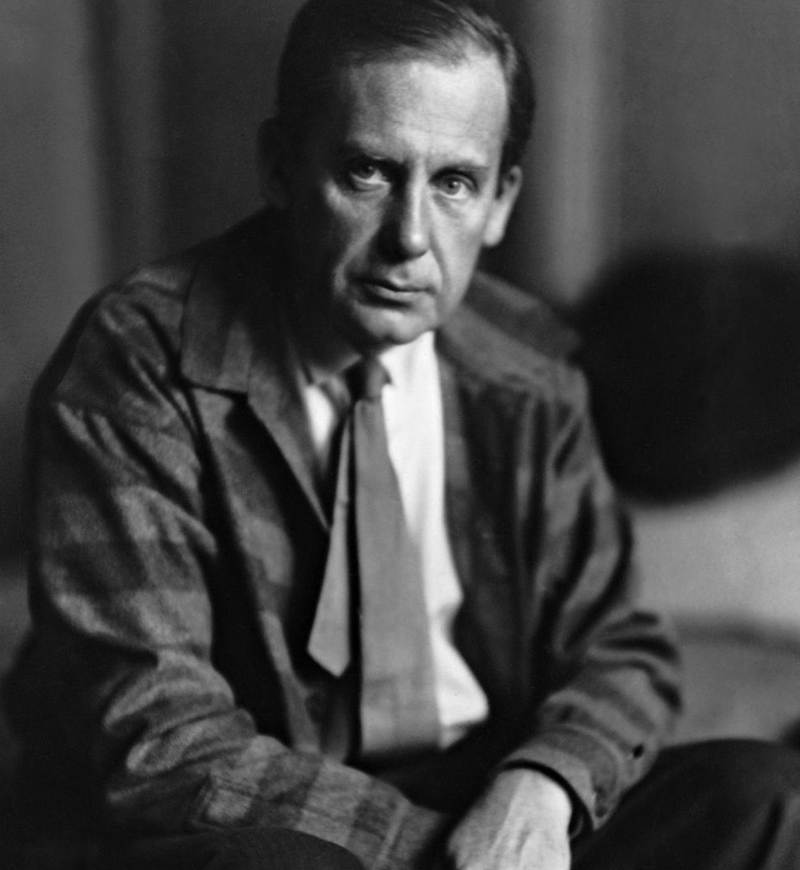
Berlin
Hier tritt das Bauhaus in die Welt. Berlin wird zum Spannungsfeld: Politik, Kultur, Industrie. Die Methode verbreitet sich und wandelt sich.

Hier tritt das Bauhaus in die Welt. Berlin wird zum Spannungsfeld: Politik, Kultur, Industrie. Die Methode verbreitet sich und wandelt sich.
Hier wird das Bauhaus zum System. Dessau ordnet das Leben: Bauen, Wohnen, Arbeiten als eine geschlossene Struktur. Die Methode nimmt Form an.
Hier wird das Bauhaus gebaut. Dessau formt die Methode: Struktur, Alltag, Architektur als geschlossenes System. Hier beginnt das Bauhaus.
Die Meisterhäuser Dessau machen Bauhaus erfahrbar: Wohnen, Arbeiten und Gestalten als zusammenhängende Lebenspraxis.
Wir koordinieren den Zugang, die Routen und die Zeitpläne an allen Bauhaus-Standorten. So schaffen wir ein Erlebnis, das klar strukturiert und professionell umgesetzt ist.
DESIGN ALS SYSTEM
Nach Weimars experimentellem Beginn ist Dessau das Kapitel der Umsetzung: eine Schule als Maschine des Lernens, Wohnen als industrieller Prozess und öffentliche Architektur, die Methode in alltägliche Realität übersetzt.
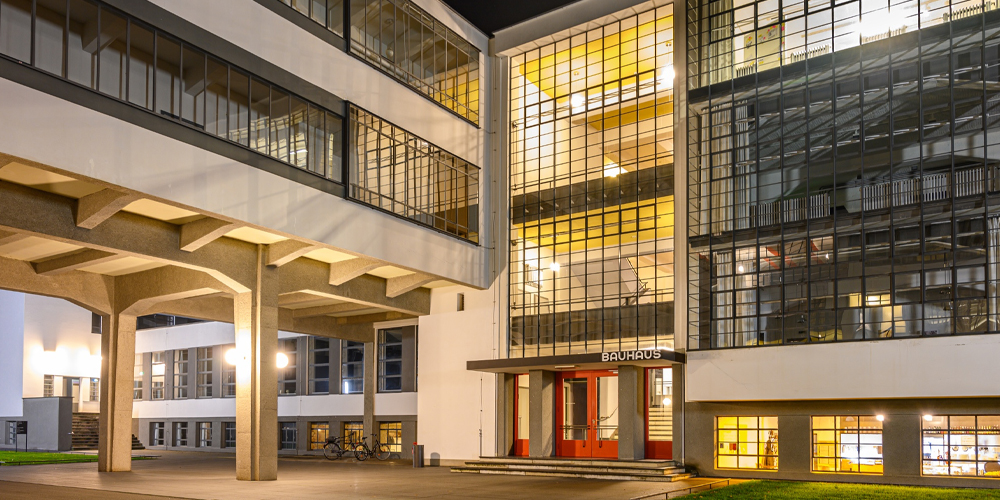
Von der Idee zur Infrastruktur
In Dessau bleibt Bauhaus kein Versprechen — es wird zum funktionierenden Modell in Schule, Wohnen und Stadtleben.
Klare Struktur. Kurzer Einstieg. Optional mehr Tiefe.
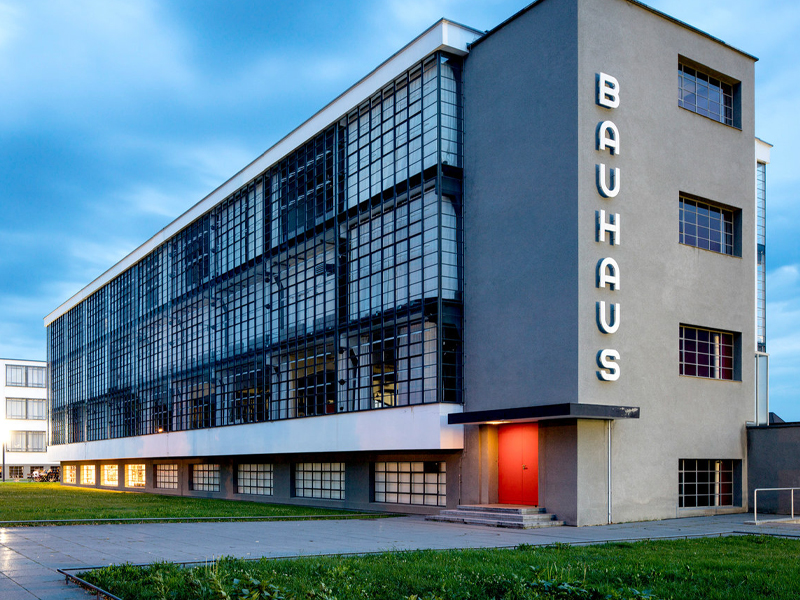
Ein gebautes Manifest (1925–26): Glas, Beton und Bewegung werden zum Betriebssystem des Lernens.
In Dessau wird die Schule zur Architektur: Werkstätten, Ateliers und Alltag sind für Zusammenarbeit und Produktion organisiert.
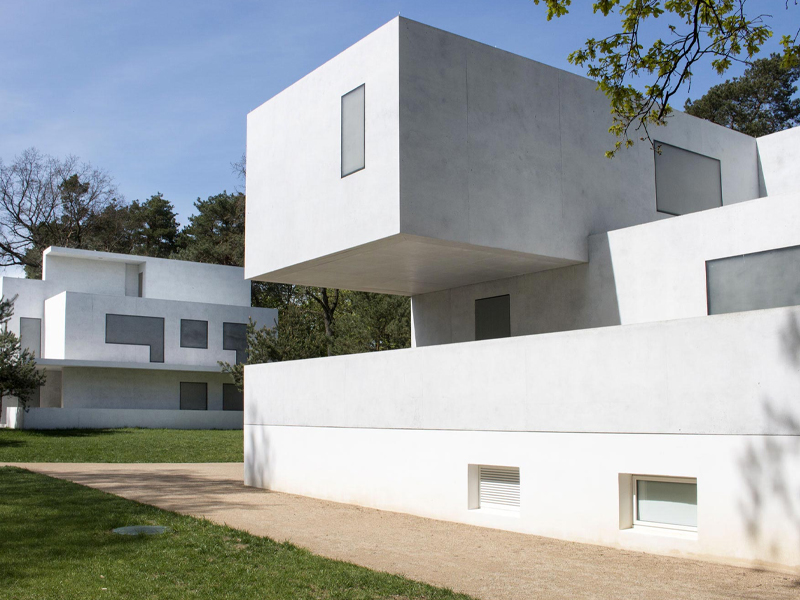
Wohnen und Arbeiten als Kontinuum (1926): Privatleben, Farbe, Möbel und Praxis als ein Zusammenhang.
Keine Villen, sondern Prototypen modernen Lebens: Alltag, Interieur und Denken folgen dem Bauhaus als Methode.
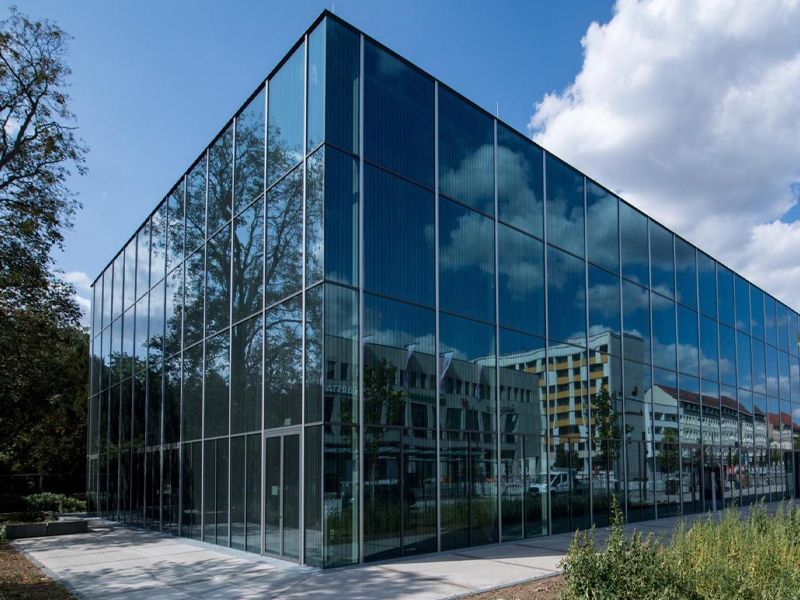
Bauhaus im 21. Jahrhundert (eröffnet 2019): Sammlung, Belege, Reflexion — Methode wird über Objekte lesbar.
Das Dessau-Kapitel liest du an Originalen: Prototypen, Dokumente und Materialkultur zeigen, wie das System funktionierte.
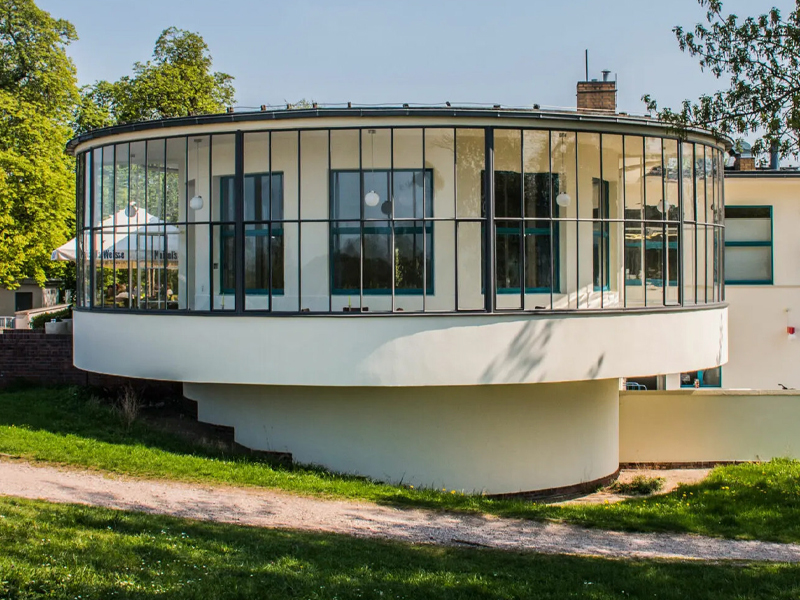
Architektur für den Alltag (1930): ein öffentlicher Ort mit Bauhaus-Klarheit direkt an der Elbe.
Modernes Design ist hier kein Vortrag — es ist eine soziale Situation: Terrasse, Rhythmus, Orientierung und Atmosphäre.
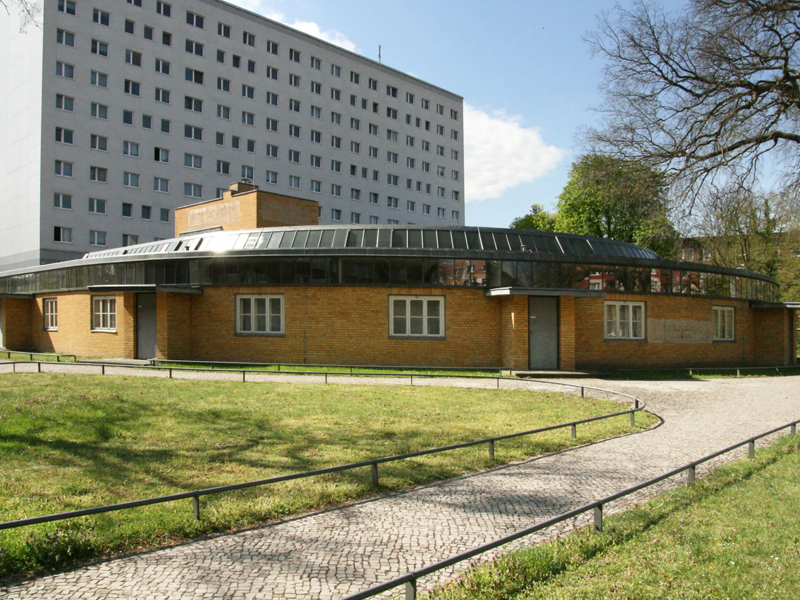
Architektur im Dienst der Stadt (1928–29): klare Funktionen und Wegeführung für Verwaltung im Alltag.
Bauhaus-Logik angewendet auf die Stadt: Abläufe, Warten, Orientierung — als lesbares System statt Ornament.
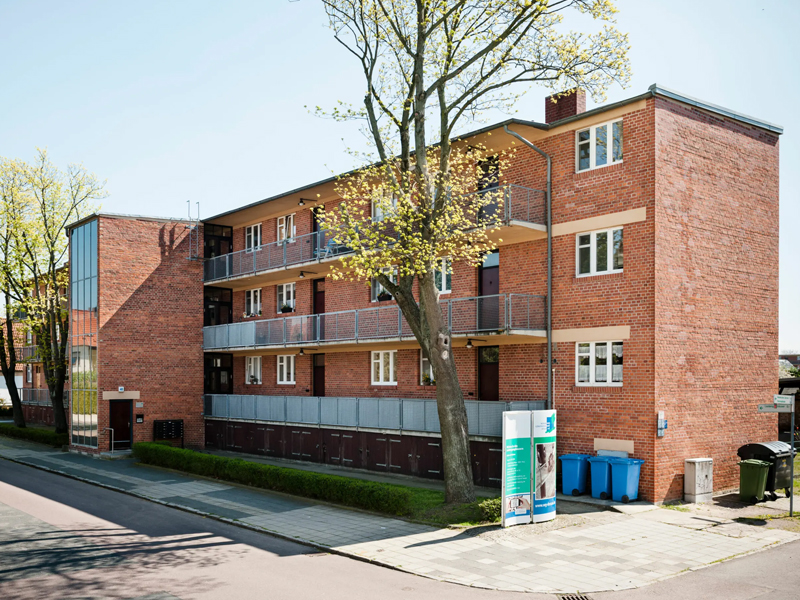
Sozialer Wohnungsbau als Systemlösung (1929–30): Laubengänge, Wiederholung und Ökonomie — für reale Bedarfe gebaut.
Der Wechsel ist sichtbar: vom Einzelversuch zur skalierbaren Wohnlogik — rational, gemeinschaftlich und sozial gedacht.
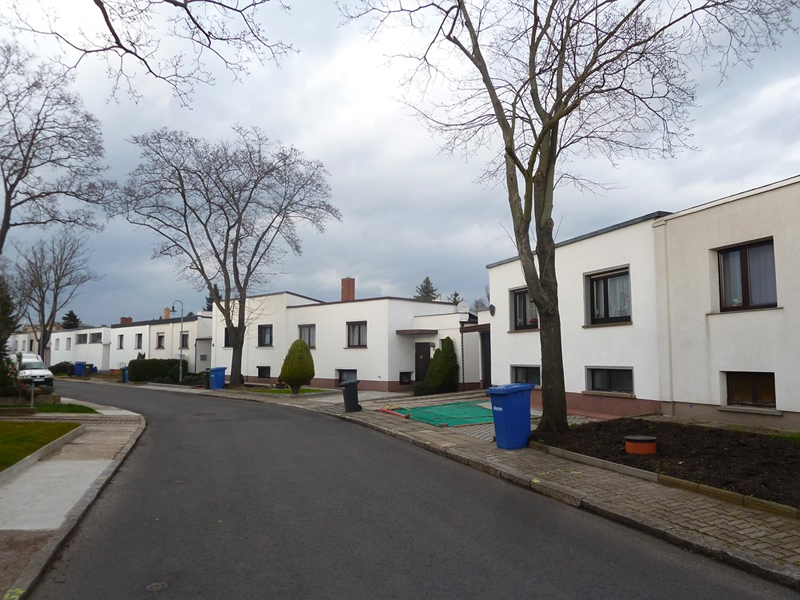
Industrialisierter Wohnungsbau (1926–28): standardisierte Reihenhäuser als Versuch für Bezahlbarkeit und Produktion.
Hier wird Bauhaus-Denken groß: Modularität, Tempo und Kosten — Wohnen als Prozess mit menschlicher Konsequenz.
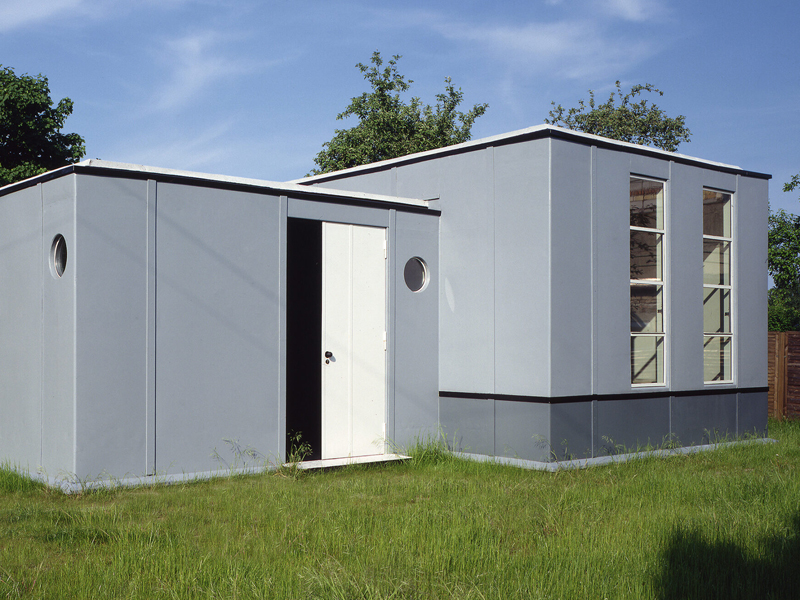
Materialversuch & Vorfertigung (1926–27): ein Prototyp für Trockenbau und industrielle Hülle.
Der Anspruch ist klar: schneller, leichter, mit wiederholbaren Teilen — ein Labor für moderne Produktionsmethoden.
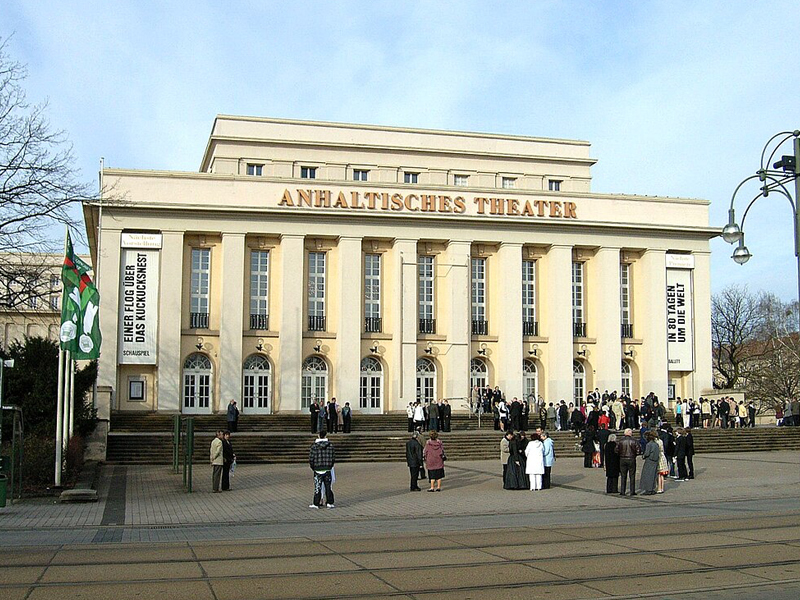
Eine Bühne für die Stadt: Theater, Musik und öffentliches Leben als Teil von Dessaus moderner Identität.
Dessau ist nicht nur Bau — es ist Rhythmus. Das Theater macht die soziale Dimension sichtbar: Sammeln, Gefühl und Form.
System · Raum · Gesellschaft
Dessau ist das System-Kapitel. The Journey verbindet die nächsten Ebenen — Berlin und weitere Bauhaus-Kontexte — zu einer lesbaren Route mit klarer Struktur und Tiefe, wo es zählt.
The Journey ansehenJourneys · Gruppenformate · Buchungslogik