Βερολίνο
Εδώ το Bauhaus κινείται προς τον κόσμο. Το Βερολίνο γίνεται ένα πεδίο έντασης: πολιτική, κουλτούρα, βιομηχανία. Η μέθοδος διαχέεται και μεταμορφώνεται.

Εδώ το Bauhaus κινείται προς τον κόσμο. Το Βερολίνο γίνεται ένα πεδίο έντασης: πολιτική, κουλτούρα, βιομηχανία. Η μέθοδος διαχέεται και μεταμορφώνεται.
Εδώ το Bauhaus γίνεται σύστημα. Η Ντεσάου οργανώνει τη ζωή: κτίσιμο, διαβίωση, εργασία ως μια συνεκτική δομή. Η μέθοδος παίρνει μορφή.
Εδώ χτίζεται το Bauhaus. Το Ντεσάου διαμορφώνει τη μέθοδο: δομή, καθημερινή ζωή, αρχιτεκτονική ως ένα συνεκτικό σύστημα. Εδώ ξεκινά το Bauhaus.
Ξεκινήστε το ταξίδι σας εκεί όπου οι ιδέες γίνονται πραγματικότητα. Η Βαϊμάρη, το Ντεσάου και το Βερολίνο σχηματίζουν ένα συνδεδεμένο μονοπάτι, διαβάζεται μέσα από τόπους, κίνηση και καθημερινή πρακτική παρά μόνο θεωρία.
Επιλέξτε το πρόγραμμά σας και τις ημερομηνίες ταξιδιού σας. Συντονίζουμε την πρόσβαση, τις διαδρομές και τα χρονοδιαγράμματα σε όλο το Bauhaus, επιτρέποντας μια συγκεντρωμένη εμπειρία που διαμορφώνεται από τη δομή, τη σαφήνεια και την επαγγελματική εκτέλεση.
DESIGN AS A SYSTEM
After Weimar’s experimental beginning, Dessau is the chapter of implementation: a school built as a machine for learning, housing built as an industrial process, and public architecture that turns method into everyday reality.
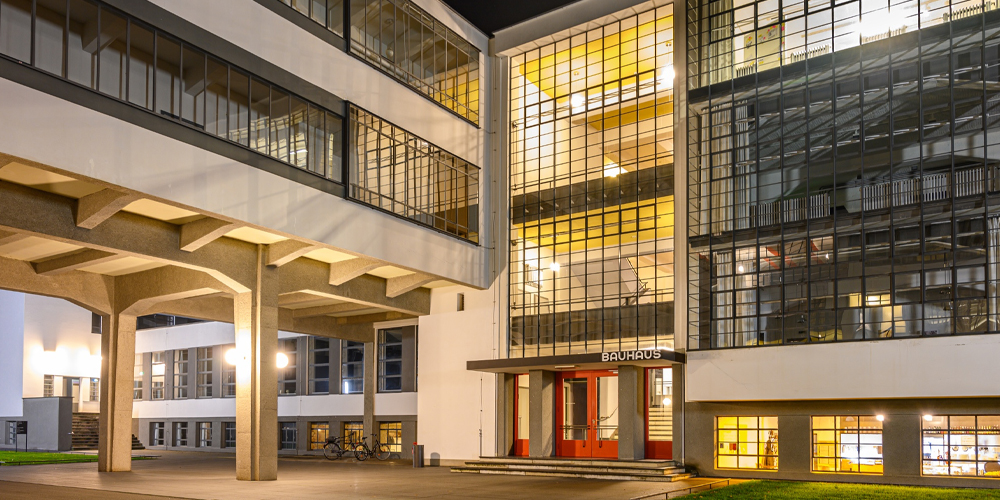
From idea to infrastructure
In Dessau, Bauhaus stops being a promise — and becomes a functioning model across school, housing and civic life.
Clear structure. Short reading. Optional depth.
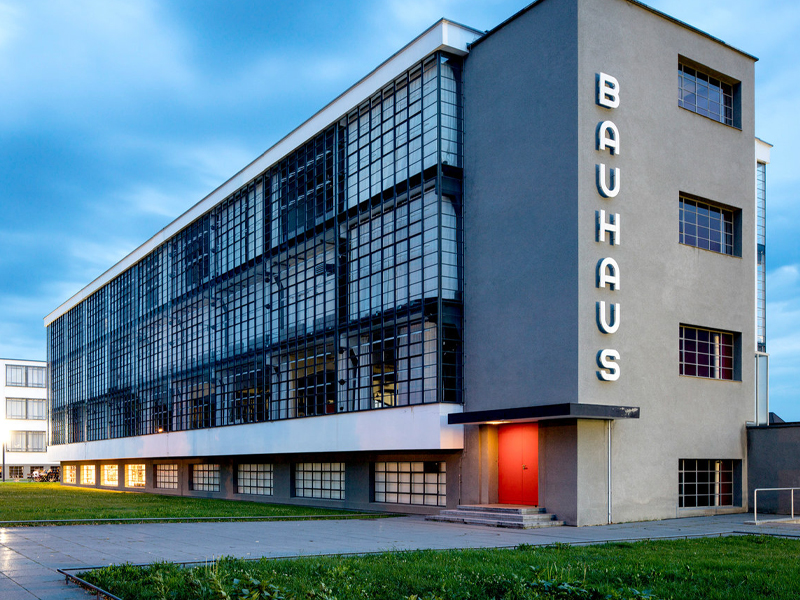
A built manifesto (1925–26): glass, concrete and circulation turned into an operating system for learning.
In Dessau, the school becomes architecture: workshops, studios and shared life organized for collaboration and production.
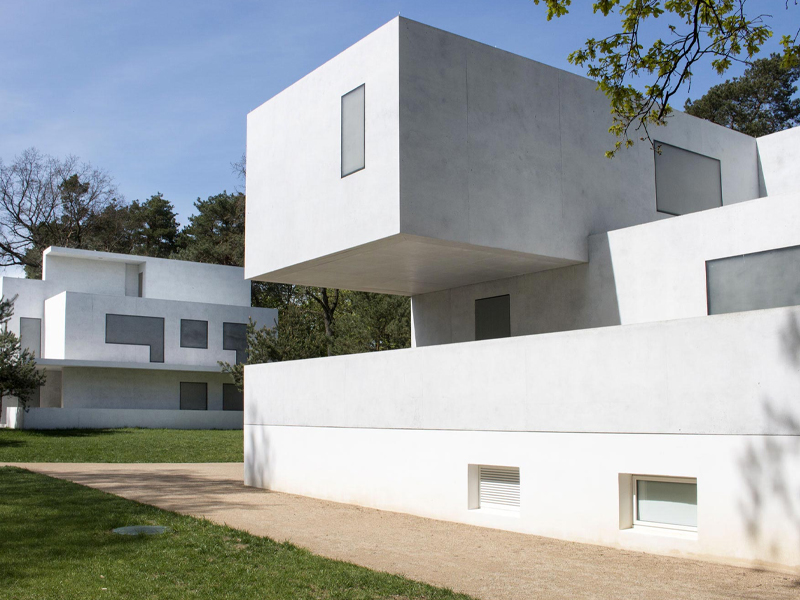
A cluster of living and working spaces (1926): private life, color, furniture and practice as one continuum.
Not villas, but prototypes of modern living: daily routines, interiors and artistic thinking aligned with Bauhaus method.
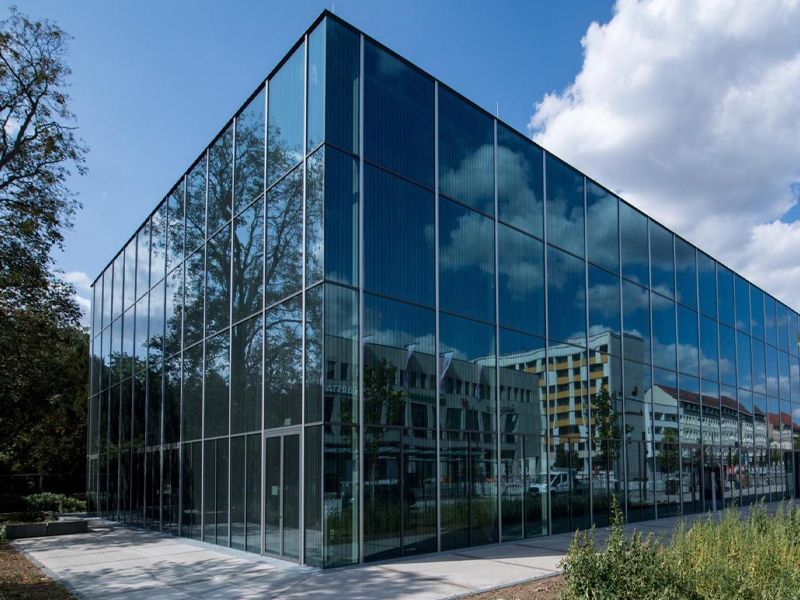
Bauhaus in the 21st century (opened 2019): collection, evidence, and reflection — method made legible through objects.
The Dessau chapter is read through originals: prototypes, documents and material culture that reveal how the system worked.
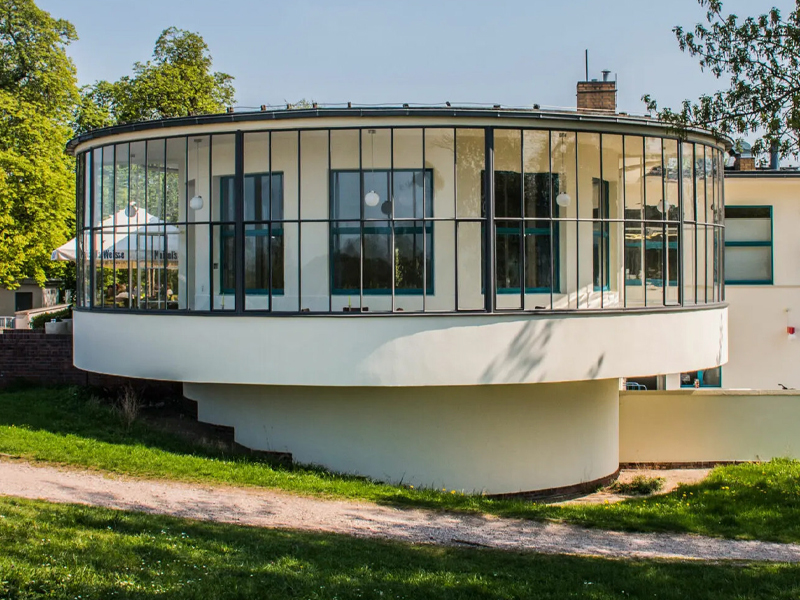
Functional architecture for public life (1930): an everyday place designed with Bauhaus clarity at the Elbe river.
Here, modern design is not a lecture — it is a social setting: terrace, rhythm, signage, and atmosphere for daily use.
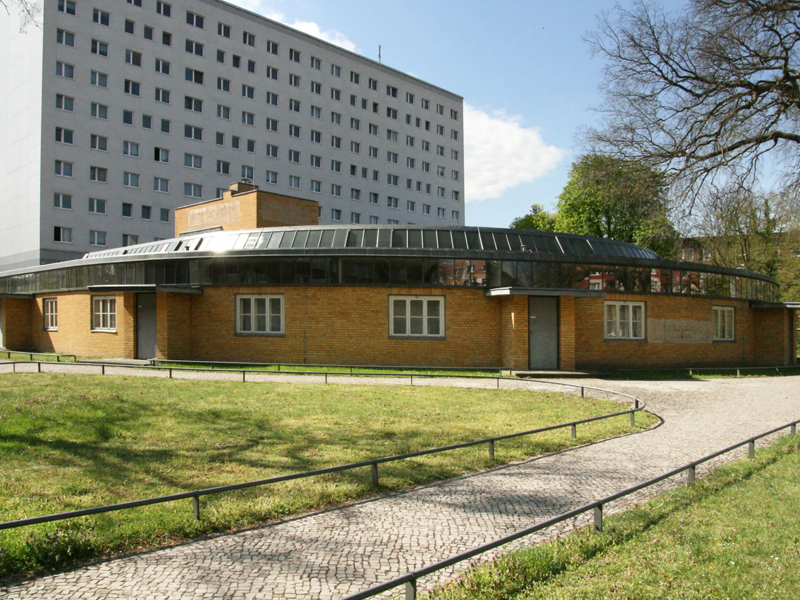
Architecture in public service (1928–29): rationalized movement and clarity of function for everyday administration.
A Bauhaus logic applied to the city: workflows, waiting, guidance — designed as a legible system rather than ornament.
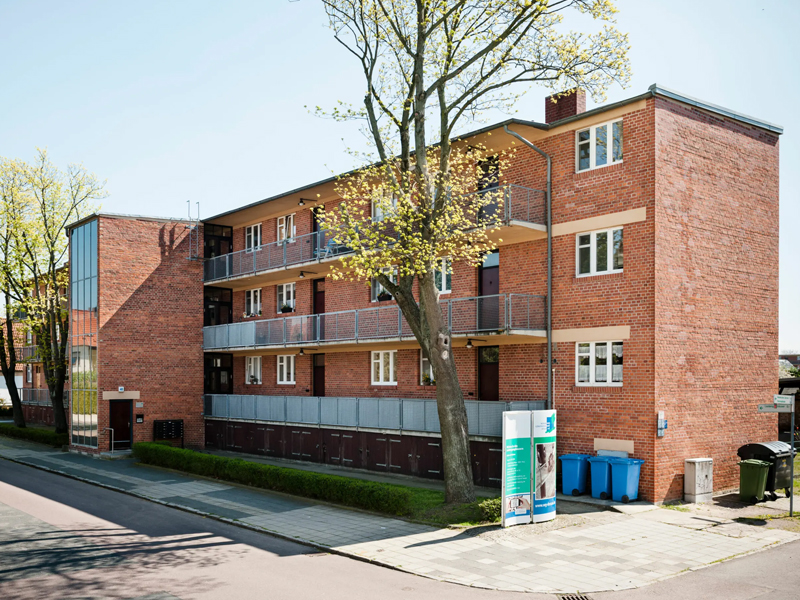
Social housing as system solution (1929–30): access galleries, repetition and economy — built for real need.
The shift is visible: from the single experiment to scalable housing logic — rational, collective and socially oriented.
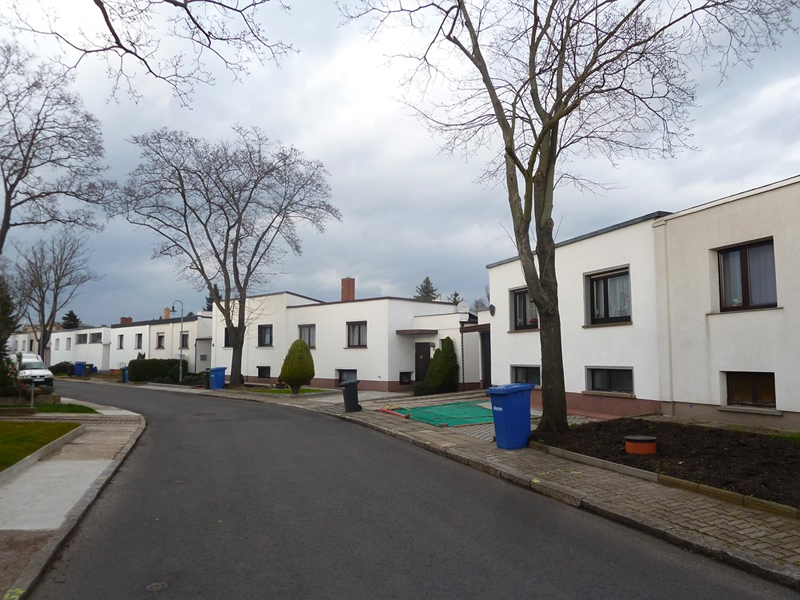
Industrialized housing construction (1926–28): standardized row houses as an experiment in affordability and production.
This is Bauhaus thinking at scale: modularity, speed and cost — housing as an industrial process with human consequences.
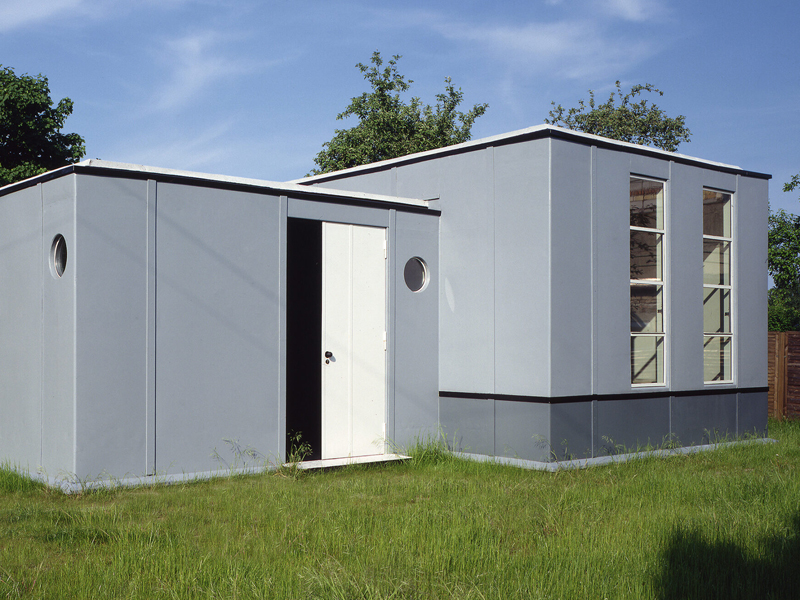
Material experiment & prefabrication (1926–27): a prototype exploring dry construction and industrial skin.
The ambition is clear: build faster, lighter, and with repeatable parts — a laboratory for modern production methods.
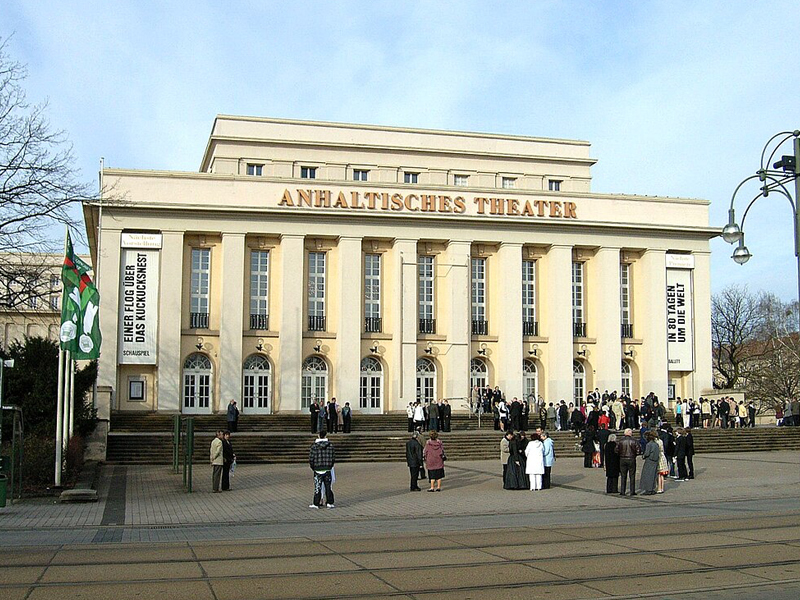
A multi-genre stage for the city: performance, music, and public culture as part of Dessau’s modern identity.
Dessau is not only buildings — it is a civic rhythm. Theater makes the social dimension visible: gathering, emotion, and form.
System · Space · Society
Dessau is the system chapter. The Journey connects the next layers — Berlin and further Bauhaus contexts — into one readable route with clear structure and depth where it matters.
View The JourneyJourneys · Group formats · Booking logic
Discover Bauhaus 2026: curated routes, key destinations and modernist travel themes across Germany and Europe.