Berlín
Aquí la Bauhaus se traslada al mundo. Berlín se convierte en un campo de tensión: política, cultura, industria. El método se dispersa y transforma.

Aquí la Bauhaus se traslada al mundo. Berlín se convierte en un campo de tensión: política, cultura, industria. El método se dispersa y transforma.
Aquí la Bauhaus se convierte en un sistema. Dessau organiza la vida: construir, vivir, trabajar como una estructura coherente. El método toma forma.
Aquí se construye la Bauhaus. Dessau da forma al método: estructura, vida diaria, arquitectura como un sistema coherente. Aquí es donde comienza la Bauhaus.
Las Meisterhäuser en Dessau muestran el Bauhaus como una realidad vivida: arquitectura moldeada en torno a la vida cotidiana, el trabajo y la práctica creativa.
Elija su programa y las fechas de viaje. Coordinamos el acceso, las rutas y los horarios en los sitios del Bauhaus, lo que permite una experiencia enfocada, moldeada por la estructura, la claridad y la ejecución profesional.
DESIGN AS A SYSTEM
After Weimar’s experimental beginning, Dessau is the chapter of implementation: a school built as a machine for learning, housing built as an industrial process, and public architecture that turns method into everyday reality.
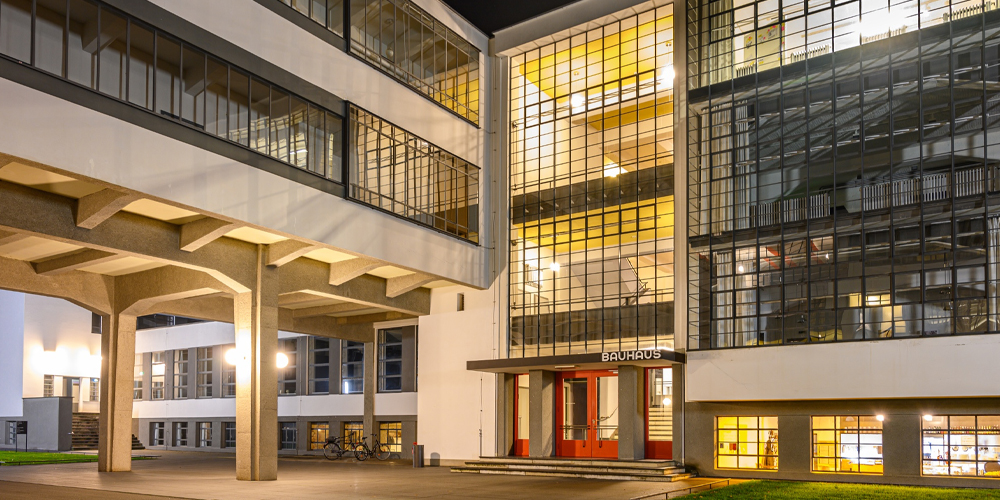
From idea to infrastructure
In Dessau, Bauhaus stops being a promise — and becomes a functioning model across school, housing and civic life.
Clear structure. Short reading. Optional depth.
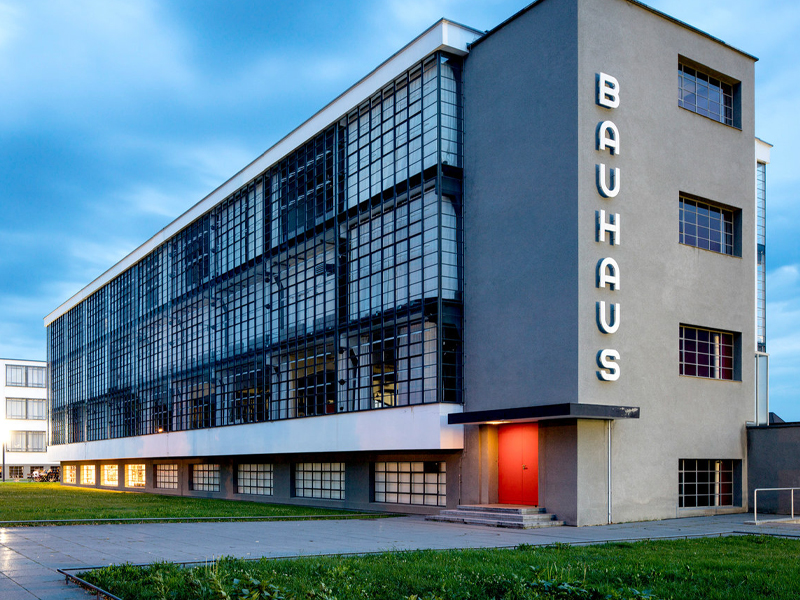
A built manifesto (1925–26): glass, concrete and circulation turned into an operating system for learning.
In Dessau, the school becomes architecture: workshops, studios and shared life organized for collaboration and production.
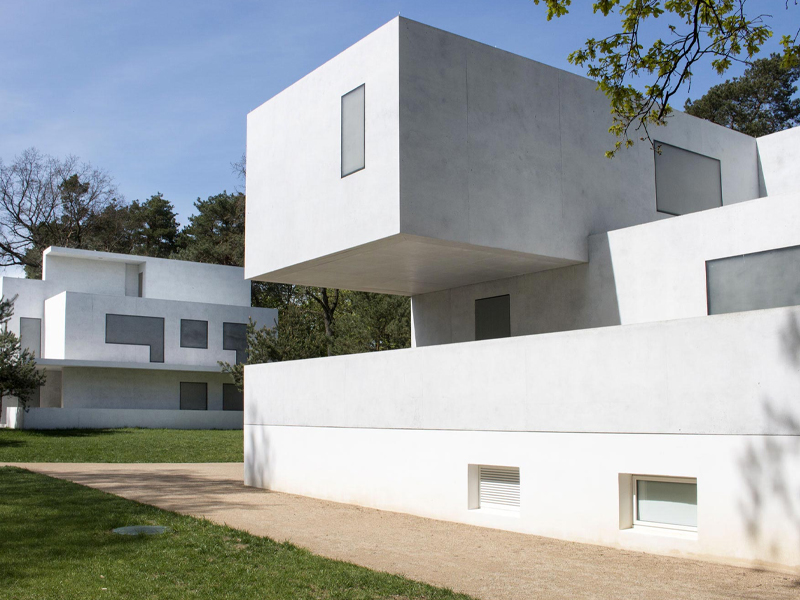
A cluster of living and working spaces (1926): private life, color, furniture and practice as one continuum.
Not villas, but prototypes of modern living: daily routines, interiors and artistic thinking aligned with Bauhaus method.
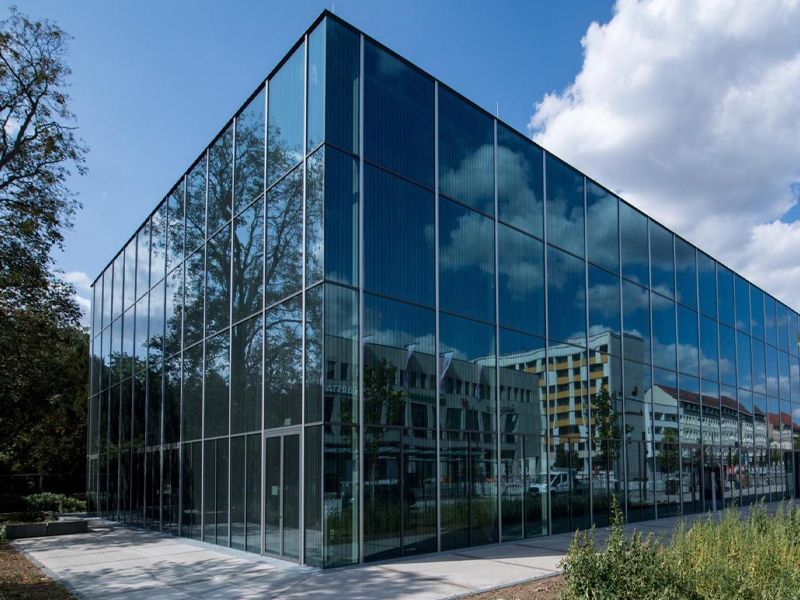
Bauhaus in the 21st century (opened 2019): collection, evidence, and reflection — method made legible through objects.
The Dessau chapter is read through originals: prototypes, documents and material culture that reveal how the system worked.
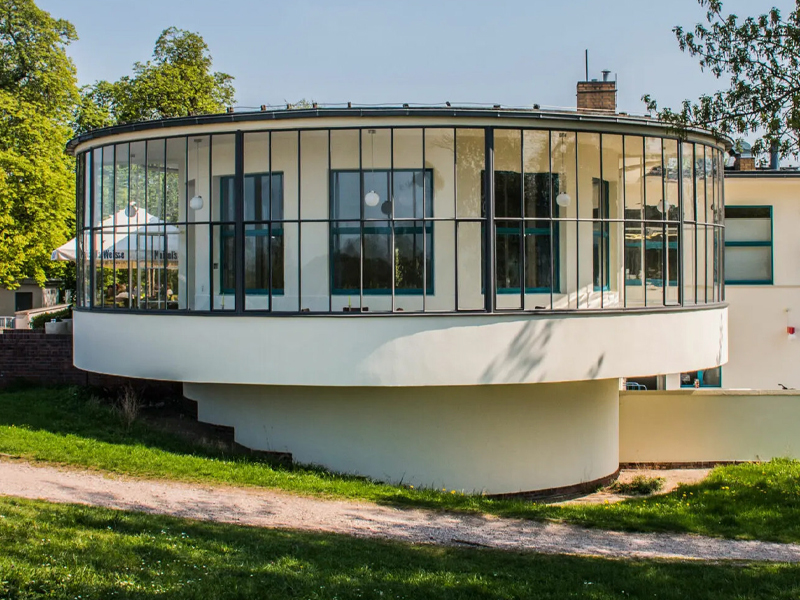
Functional architecture for public life (1930): an everyday place designed with Bauhaus clarity at the Elbe river.
Here, modern design is not a lecture — it is a social setting: terrace, rhythm, signage, and atmosphere for daily use.
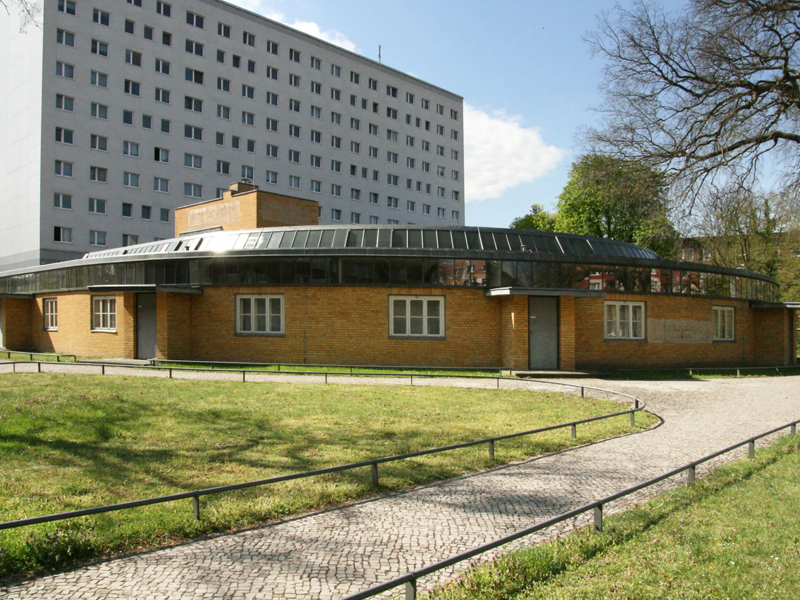
Architecture in public service (1928–29): rationalized movement and clarity of function for everyday administration.
A Bauhaus logic applied to the city: workflows, waiting, guidance — designed as a legible system rather than ornament.
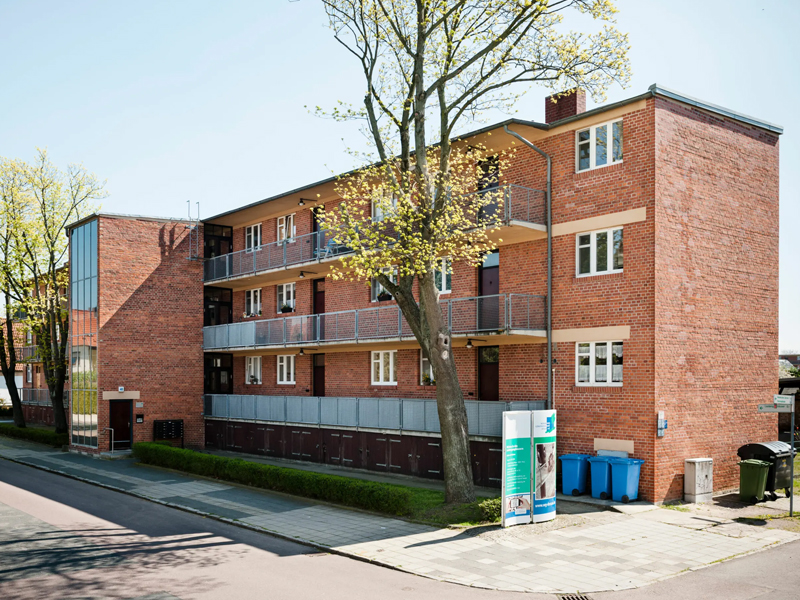
Social housing as system solution (1929–30): access galleries, repetition and economy — built for real need.
The shift is visible: from the single experiment to scalable housing logic — rational, collective and socially oriented.
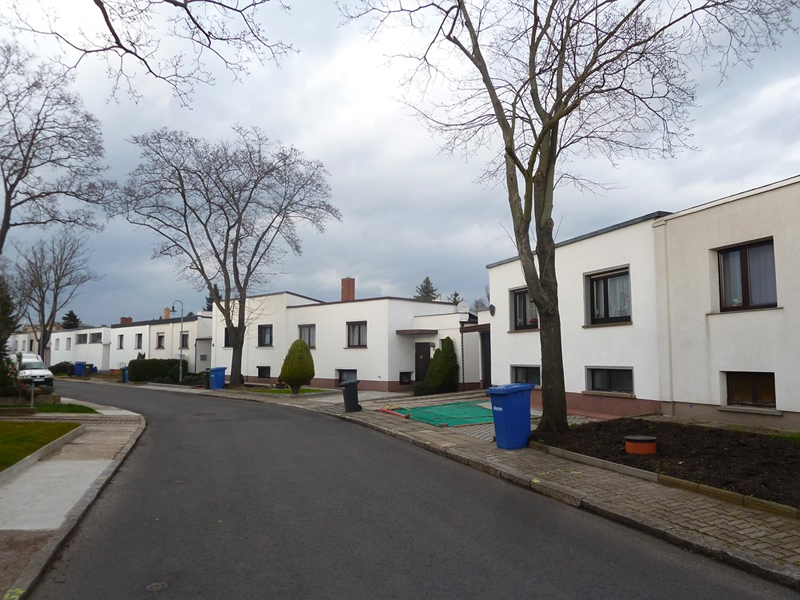
Industrialized housing construction (1926–28): standardized row houses as an experiment in affordability and production.
This is Bauhaus thinking at scale: modularity, speed and cost — housing as an industrial process with human consequences.
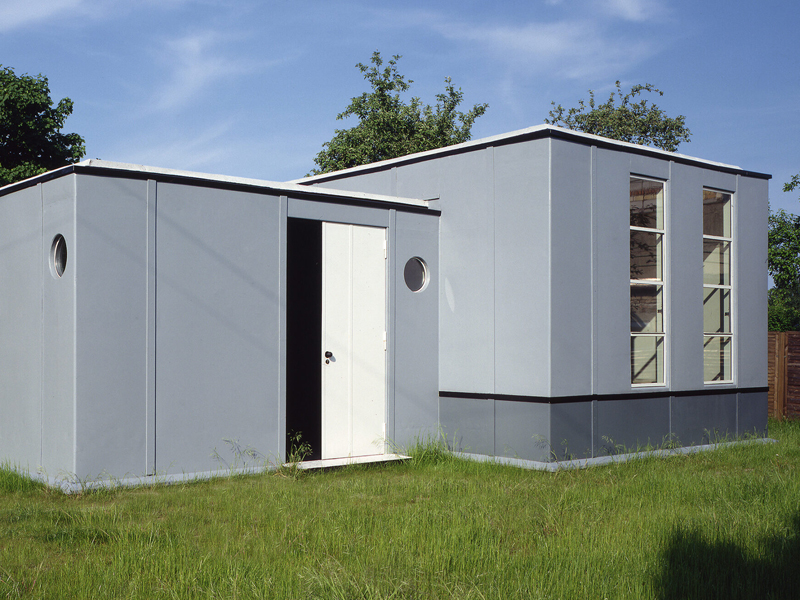
Material experiment & prefabrication (1926–27): a prototype exploring dry construction and industrial skin.
The ambition is clear: build faster, lighter, and with repeatable parts — a laboratory for modern production methods.
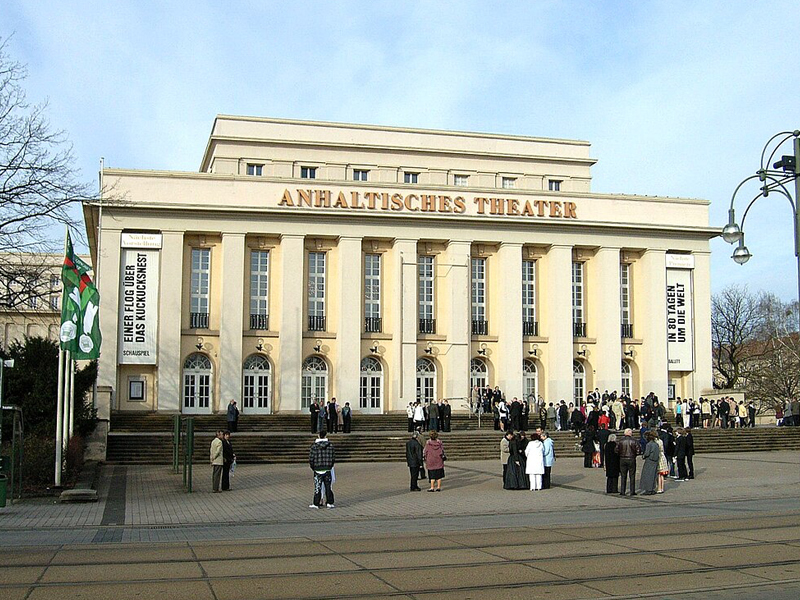
A multi-genre stage for the city: performance, music, and public culture as part of Dessau’s modern identity.
Dessau is not only buildings — it is a civic rhythm. Theater makes the social dimension visible: gathering, emotion, and form.
System · Space · Society
Dessau is the system chapter. The Journey connects the next layers — Berlin and further Bauhaus contexts — into one readable route with clear structure and depth where it matters.
View The JourneyJourneys · Group formats · Booking logic