베를린
여기 바우하우스는 세계로 나아갑니다. 베를린은 정치, 문화, 산업의 긴장 지대가 됩니다. 방법은 분산되고 변형됩니다.

여기 바우하우스는 세계로 나아갑니다. 베를린은 정치, 문화, 산업의 긴장 지대가 됩니다. 방법은 분산되고 변형됩니다.
여기에서 바우하우스는 시스템이 됩니다. 데사우는 삶을 조직합니다: 건축, 거주, 작업이 하나의 일관된 구조로서. 그 방법이 형성됩니다.
여기에 바우하우스가 세워진다. 데사우는 방법을 형성한다: 구조, 일상 생활, 건축이 하나의 일관된 시스템으로. 여기에서 바우하우스가 시작된다.
바우하우스가 아이디어에서 현실로 변모한 장소로 여행하세요. 데사우에서는 건축이 움직임, 사용, 일상의 공간을 통해 경험됩니다.
프로그램과 여행 날짜를 선택하세요. 우리는 구조, 명확성, 그리고 전문적인 실행에 의해 형성된 집중적인 경험을 가능하게 하기 위해 바우하우스 사이트 전반에 걸쳐 접근, 경로 및 일정을 조정합니다.
DESIGN AS A SYSTEM
After Weimar’s experimental beginning, Dessau is the chapter of implementation: a school built as a machine for learning, housing built as an industrial process, and public architecture that turns method into everyday reality.
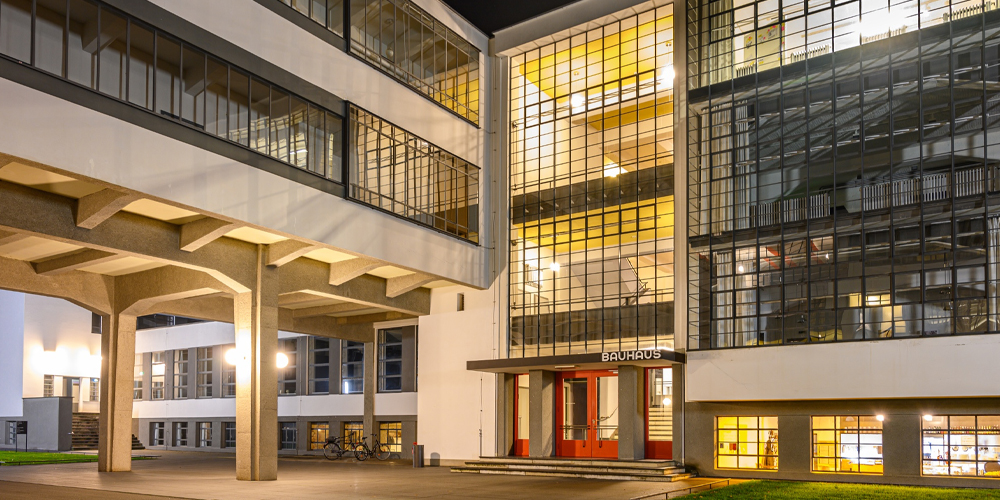
From idea to infrastructure
In Dessau, Bauhaus stops being a promise — and becomes a functioning model across school, housing and civic life.
Clear structure. Short reading. Optional depth.
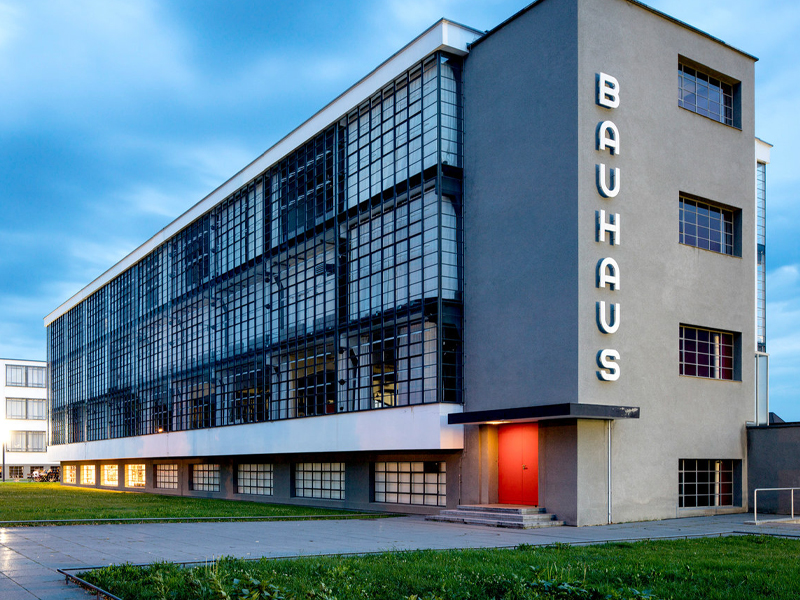
A built manifesto (1925–26): glass, concrete and circulation turned into an operating system for learning.
In Dessau, the school becomes architecture: workshops, studios and shared life organized for collaboration and production.
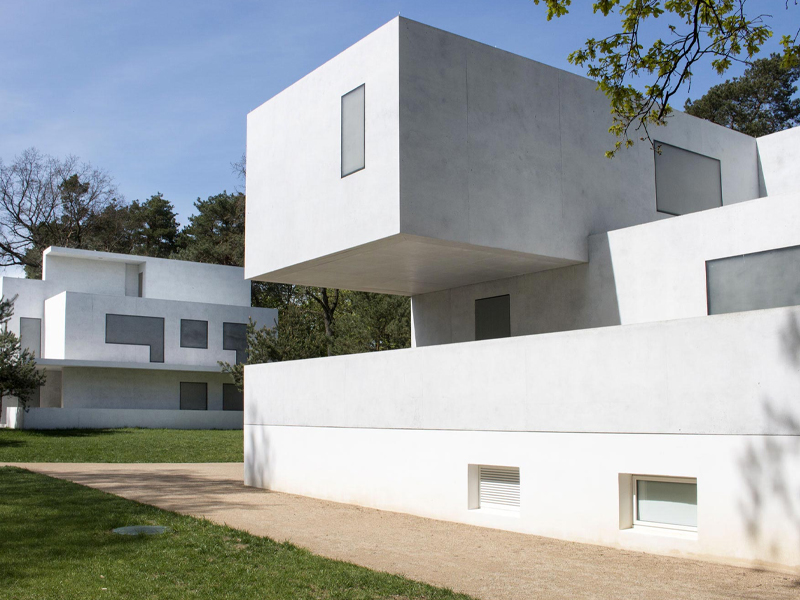
A cluster of living and working spaces (1926): private life, color, furniture and practice as one continuum.
Not villas, but prototypes of modern living: daily routines, interiors and artistic thinking aligned with Bauhaus method.
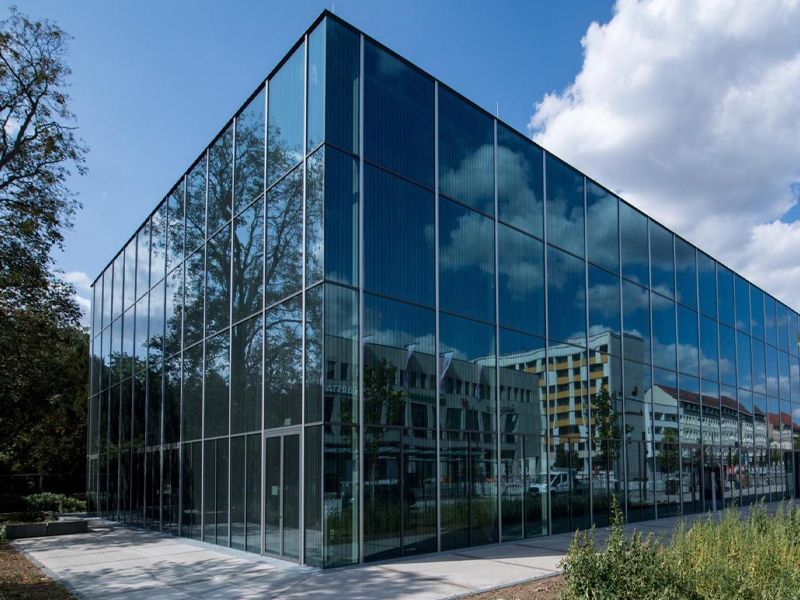
Bauhaus in the 21st century (opened 2019): collection, evidence, and reflection — method made legible through objects.
The Dessau chapter is read through originals: prototypes, documents and material culture that reveal how the system worked.
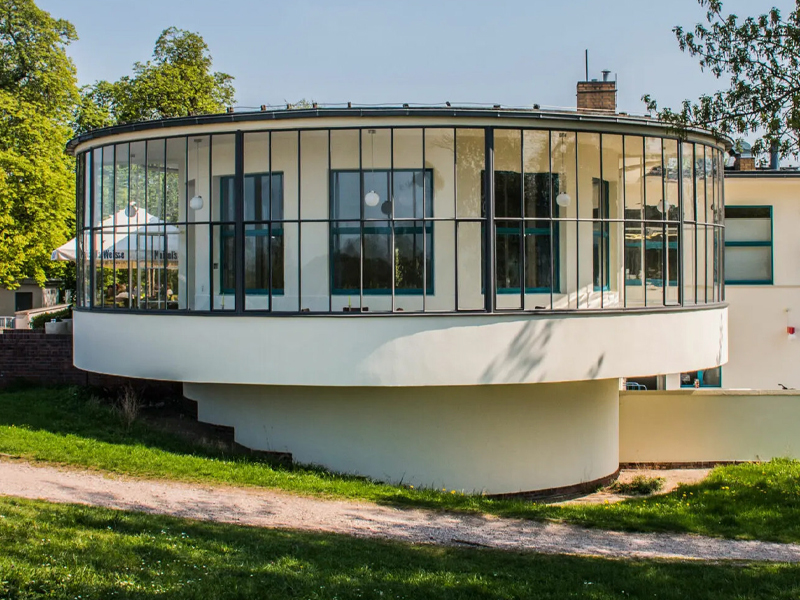
Functional architecture for public life (1930): an everyday place designed with Bauhaus clarity at the Elbe river.
Here, modern design is not a lecture — it is a social setting: terrace, rhythm, signage, and atmosphere for daily use.
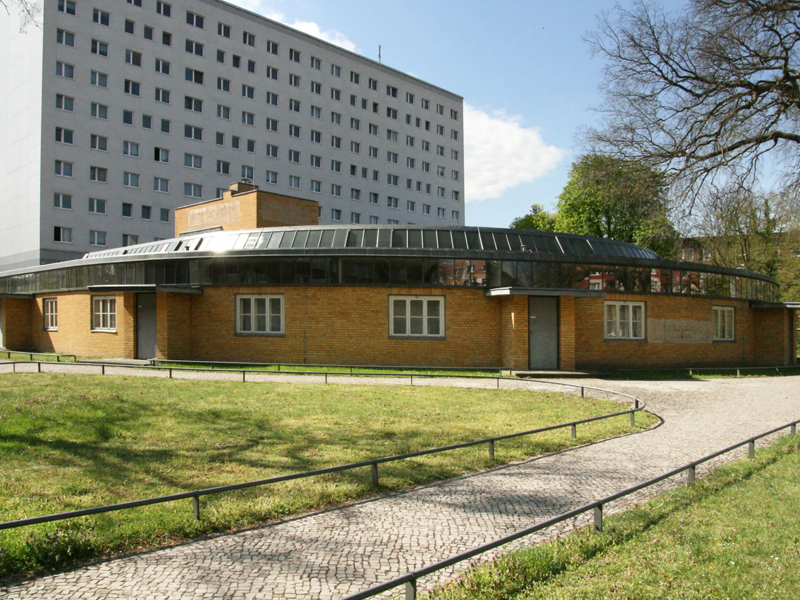
Architecture in public service (1928–29): rationalized movement and clarity of function for everyday administration.
A Bauhaus logic applied to the city: workflows, waiting, guidance — designed as a legible system rather than ornament.
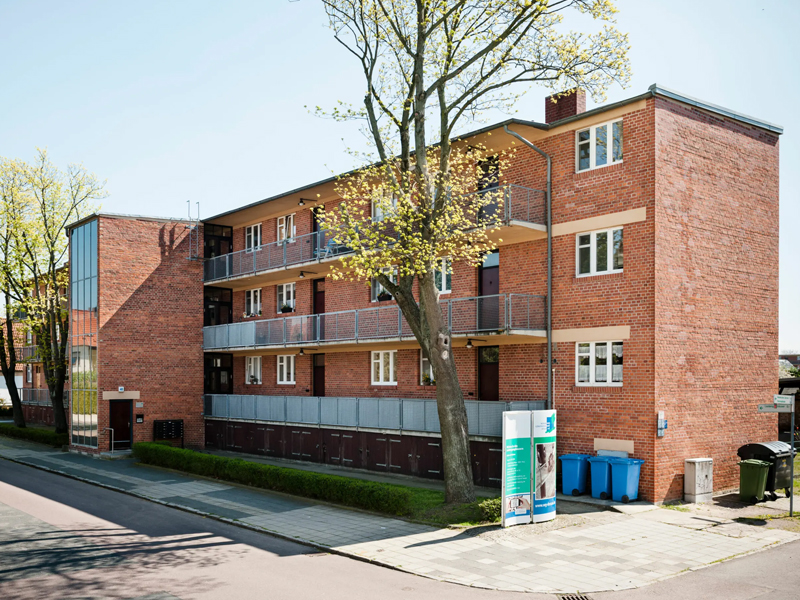
Social housing as system solution (1929–30): access galleries, repetition and economy — built for real need.
The shift is visible: from the single experiment to scalable housing logic — rational, collective and socially oriented.
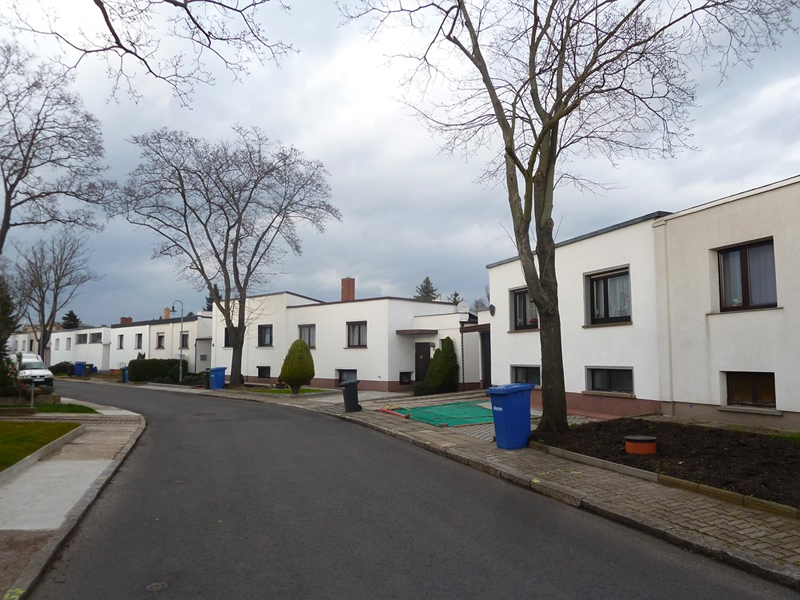
Industrialized housing construction (1926–28): standardized row houses as an experiment in affordability and production.
This is Bauhaus thinking at scale: modularity, speed and cost — housing as an industrial process with human consequences.
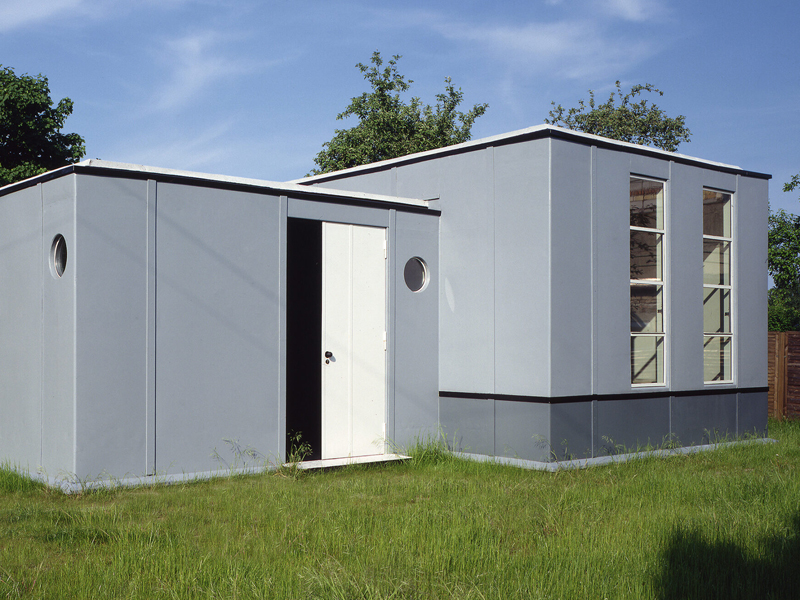
Material experiment & prefabrication (1926–27): a prototype exploring dry construction and industrial skin.
The ambition is clear: build faster, lighter, and with repeatable parts — a laboratory for modern production methods.
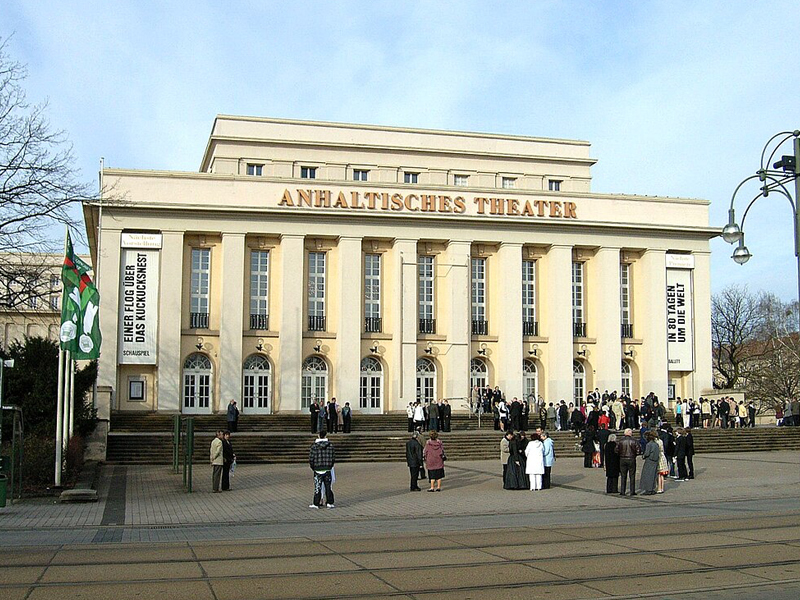
A multi-genre stage for the city: performance, music, and public culture as part of Dessau’s modern identity.
Dessau is not only buildings — it is a civic rhythm. Theater makes the social dimension visible: gathering, emotion, and form.
System · Space · Society
Dessau is the system chapter. The Journey connects the next layers — Berlin and further Bauhaus contexts — into one readable route with clear structure and depth where it matters.
View The JourneyJourneys · Group formats · Booking logic