
METHOD AS RESPONSIBILITY
Legacy · Where it continued
After Berlin, Bauhaus disperses into new cities and institutions, where its legacy becomes method in practice: education as framework, housing as typology, the city as a readable system, and design as social responsibility.
The Bauhaus continues as a system
A global sequence of places where modernity is taught, built, curated, and lived — beyond Germany, beyond one era.
Legacy locations worldwide
Clear structure. Short reading. Optional depth.
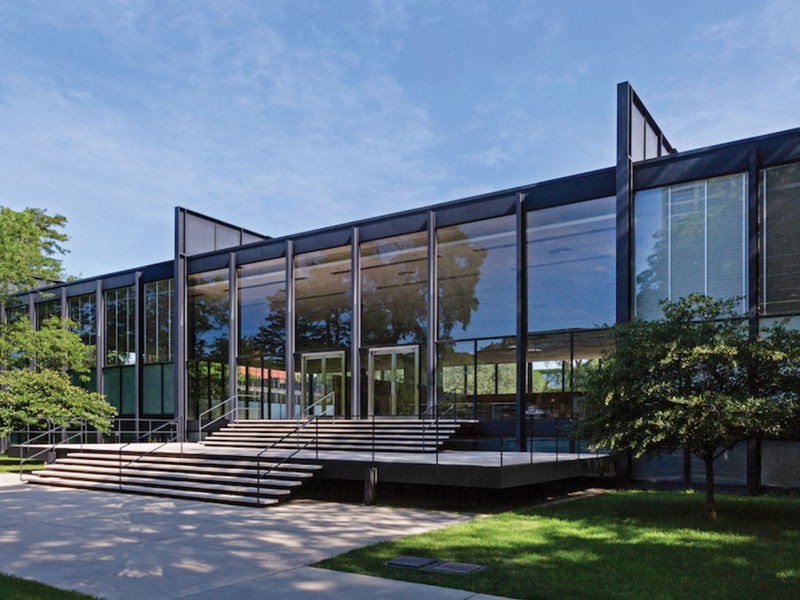
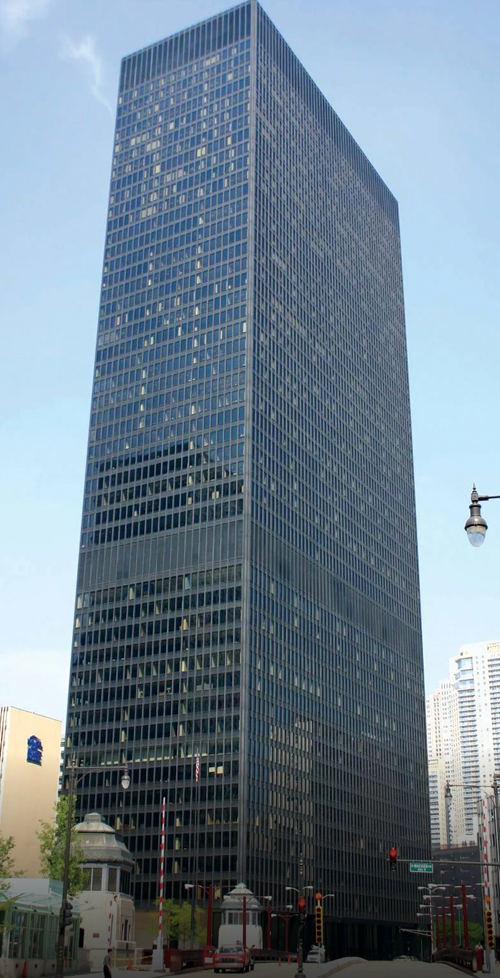
Chicago · IIT Mies Campus
Structure, grid, and universal modernity — a campus where architecture is discipline, not decoration.
Here, “method” becomes a repeatable language: proportions, modules, and clarity that scale from rooms to the city.
- A major concentration of buildings designed by Ludwig Mies van der Rohe
- Campus as a system: order, circulation, and structural logic
- Modernism as an educational environment, not a single icon
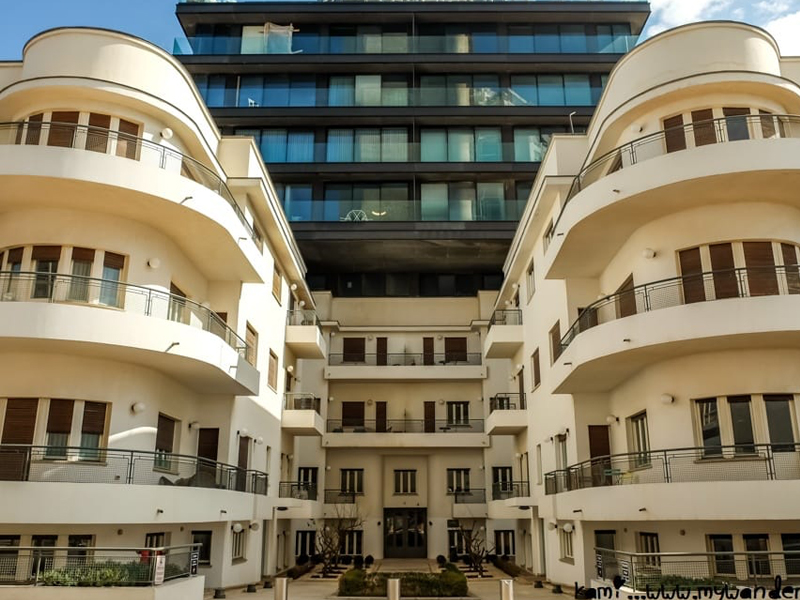
Tel Aviv · White City
Bauhaus as a social city idea — modernism translated into climate, streets, and everyday urban life.
Legacy becomes visible at scale: not one building, but a fabric of modern housing and public space.
- UNESCO World Heritage recognition for the White City (2003)
- A large concentration of International Style buildings from the 1930s
- Modern architecture adapted to local conditions and daily routines
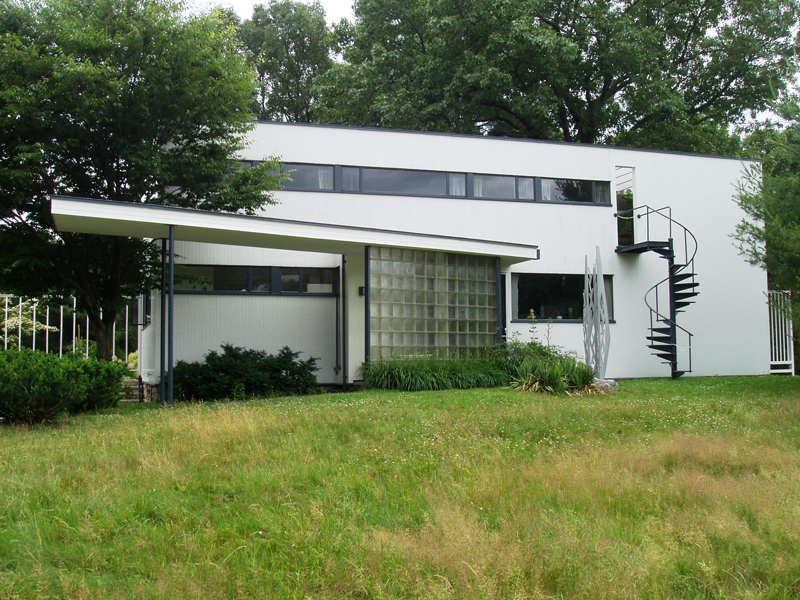
Cambridge (USA) · Gropius House
Bauhaus teaching in an American context — modern living as a disciplined, practical everyday system.
Not a monument, but a working house: clarity, utility and material decisions that carry the Bauhaus method forward.
- A domestic setting that communicates modern principles through use
- Legacy as routine: furniture, light, proportion and storage
- Teaching continues through lived space
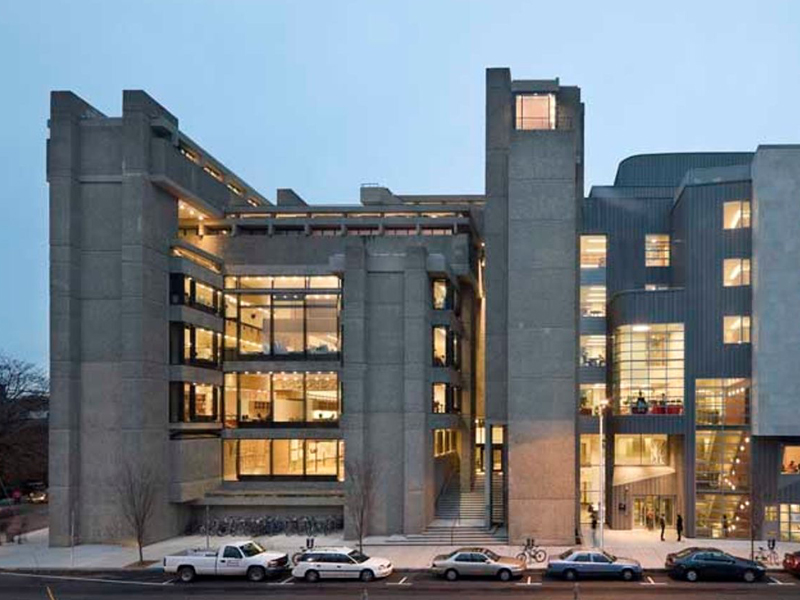
New Haven · Yale Art & Architecture
Pedagogical continuation of modernity — architecture education as critique, craft and institutional culture.
Legacy here is intellectual: design as method, studio as system, and the school as an engine of practice.
- Rudolph Hall (formerly Yale Art & Architecture Building), completed in 1963
- Education as a structured environment for making and thinking
- A modern institution shaping generations through method
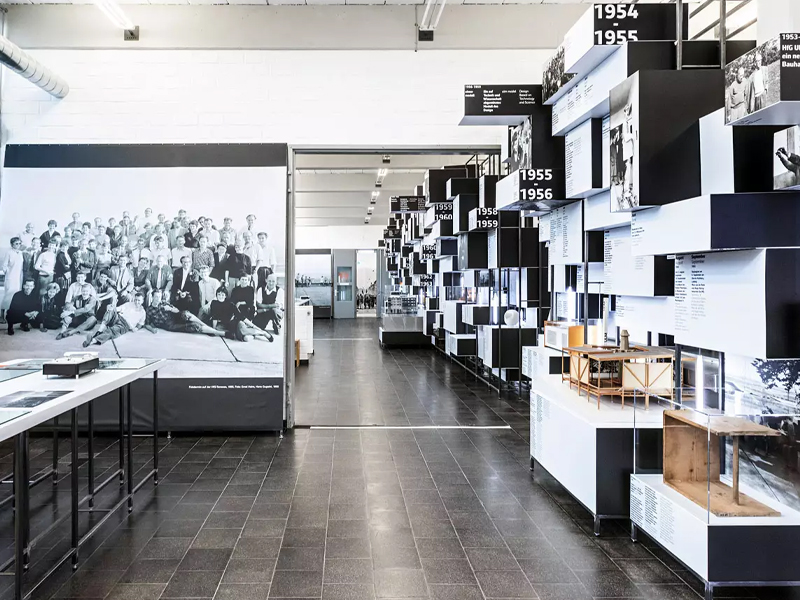
Ulm · HfG Ulm
Methodical continuation after 1945 — design as research, systems thinking, and social responsibility.
Ulm sharpens the Bauhaus impulse: less “movement,” more method. Clear process, clear criteria, clear outcomes.
- Hochschule für Gestaltung Ulm (HfG Ulm), founded 1953 and active until 1968
- Design understood as an interdisciplinary system
- From form to process: analysis, prototypes, standards
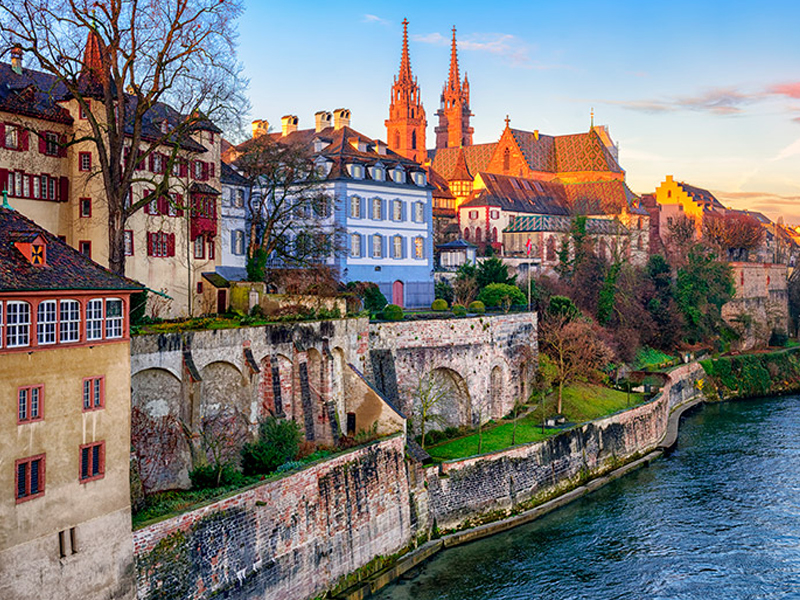
Basel · Design & System Thinking
Industry, graphic discipline, and design culture — modern principles absorbed into education and practice.
Legacy here is continuity: the modern attitude persists through training, standards, and the daily craft of design.
- Basel Academy of Art and Design (FHNW) as a contemporary design institution in the region
- Modern design as a systematic practice, not ornament
- Clarity, typography, and production logic as cultural tools
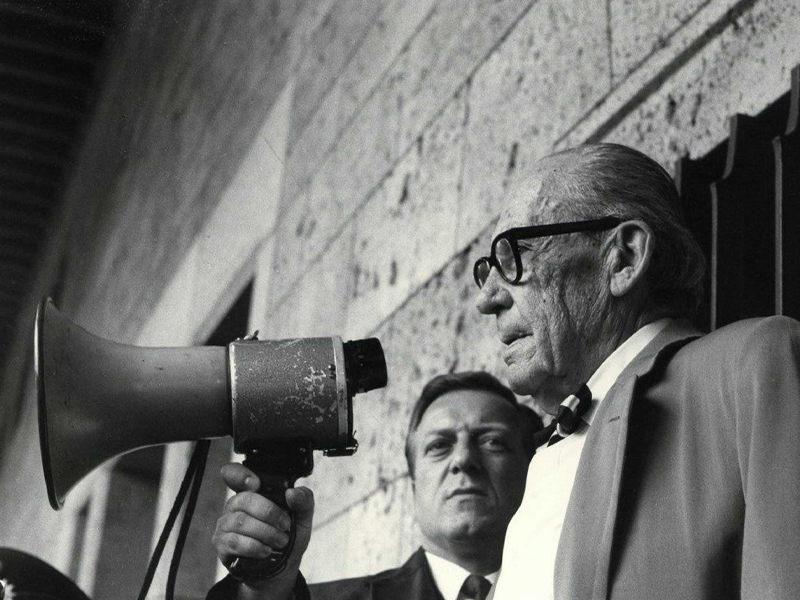
Mexico City · Exile & Practice
Migration of knowledge and teaching — Bauhaus method carried into new political and social realities.
In exile, “Bauhaus” becomes less a place and more a portable discipline: applied to planning, education, and production.
- Hannes Meyer worked in Mexico City from 1939, including roles connected to planning and publishing
- Design framed by social need and public responsibility
- Legacy as translation: method adapted to context
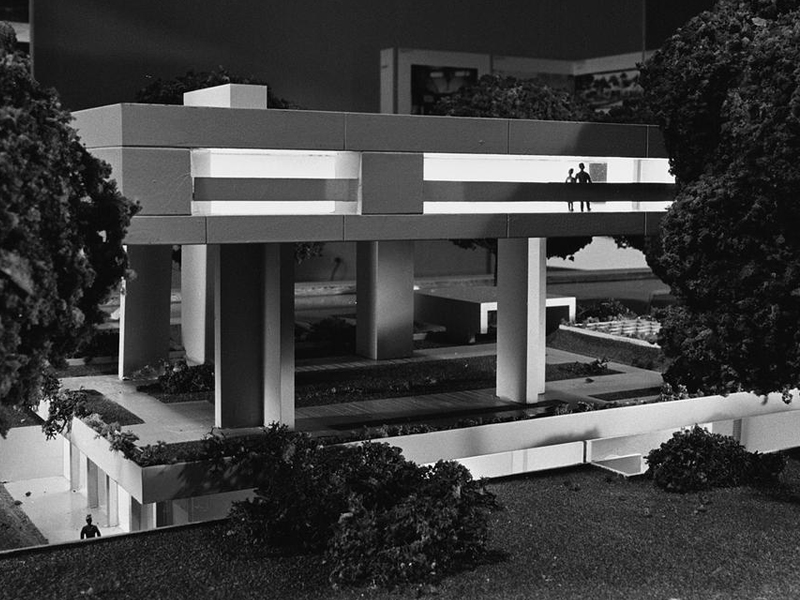
Buenos Aires · Modernity in Exile
European modern ideas travel — the modern project continues through institutions, housing and cultural exchange.
Legacy is not identical repetition. It is selective adoption: proportion, function, and rational planning reappear under new conditions.
- Modern architecture in Argentina shaped by international exchange
- Urban growth demands typology, systems, and clarity
- Bauhaus principles persist as method, not branding
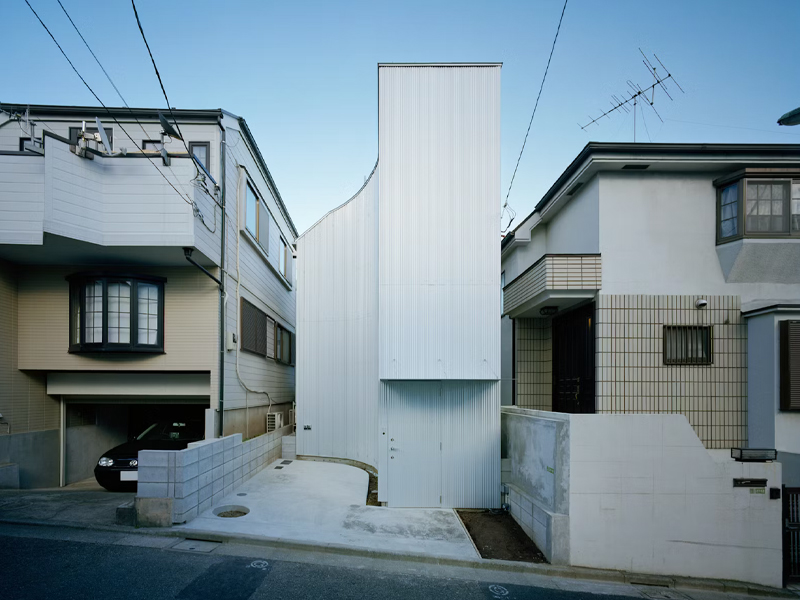
Tokyo · Dialogue with Modernism
Bauhaus as a conversation — modern design principles meeting different traditions of craft, space, and restraint.
Legacy becomes a lens: clarity, reduction, and system thinking resonate where precision and discipline already matter.
- Modernism develops through international exchange and exhibitions
- Design understood as process and proportion
- Influence appears as attitude: minimal means, maximum logic
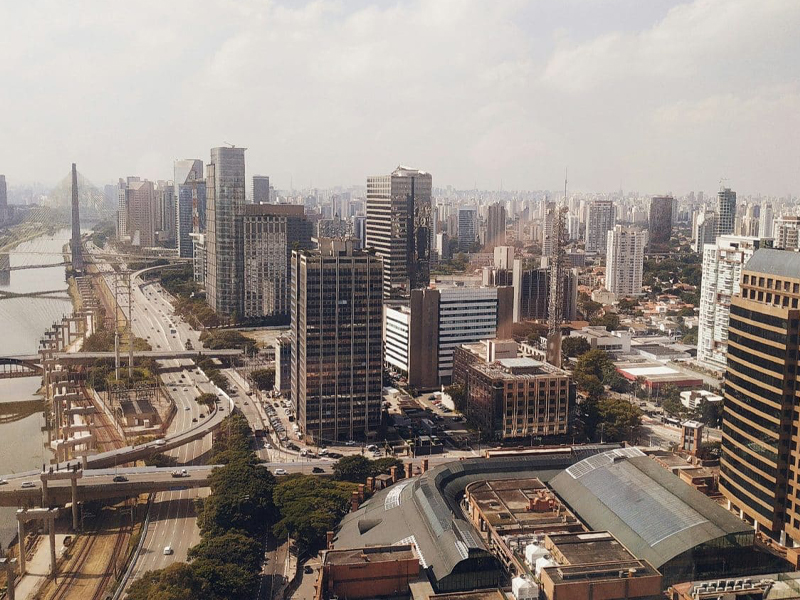
São Paulo · Industrial Scale
Functionalism at metropolitan scale — modern principles integrated into industry, housing and civic growth.
In fast-growing cities, modernity becomes infrastructure: standardized solutions, structural clarity, and new typologies.
- Modern architecture in Brazil shaped by industrialization and urban expansion
- Form follows systems: structure, climate, production
- Legacy as capacity: designing for the many
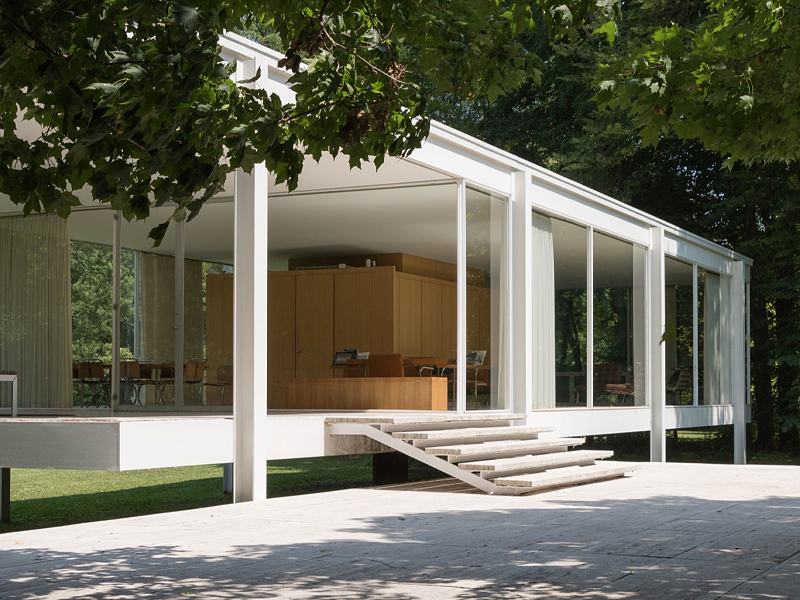
Plano (Illinois) · Farnsworth House
Radical reduction — living as structure, space as a precise frame, modernity as absolute abstraction.
Here the legacy becomes extreme: almost nothing “added,” only structure, proportion, and the discipline of detail.
- Designed by Ludwig Mies van der Rohe
- Architecture as a clear system of supports and planes
- Modern living reduced to essentials — and the consequences are visible
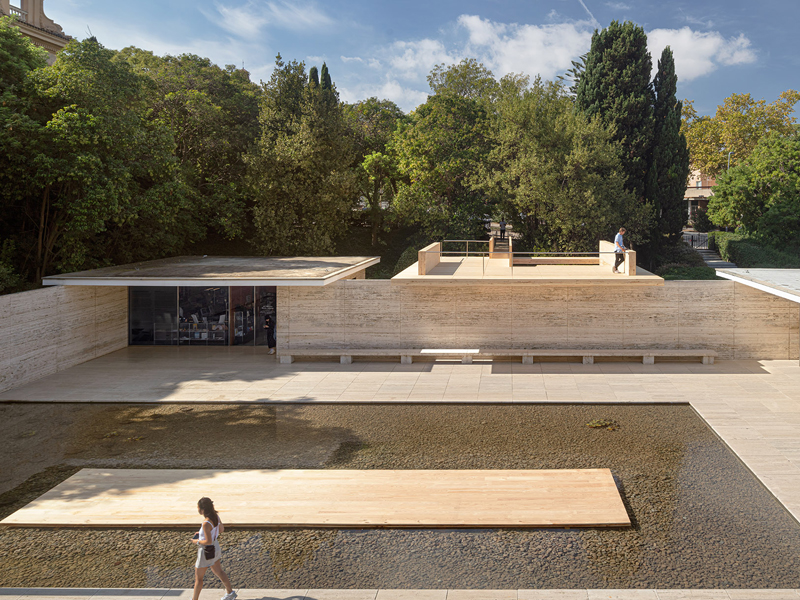
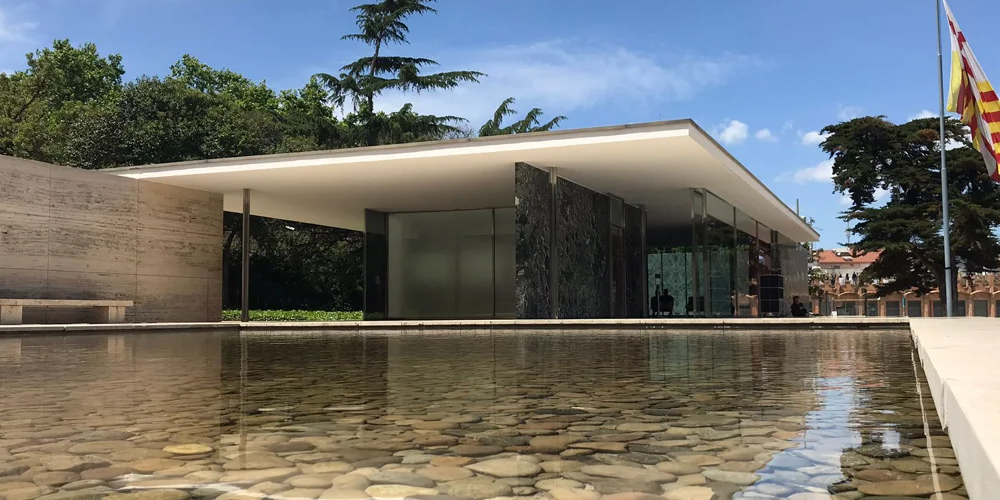
Barcelona · Barcelona Pavilion
Space, material, continuity — the room becomes an experience, and structure becomes atmosphere.
Legacy here is spatial intelligence: not “style,” but how to stage movement, light, surfaces and thresholds.
- Associated with Ludwig Mies van der Rohe and the Modern Movement
- Material as method: precision, joints, planes, reflection
- Architecture as sequence — readable, slow, controlled
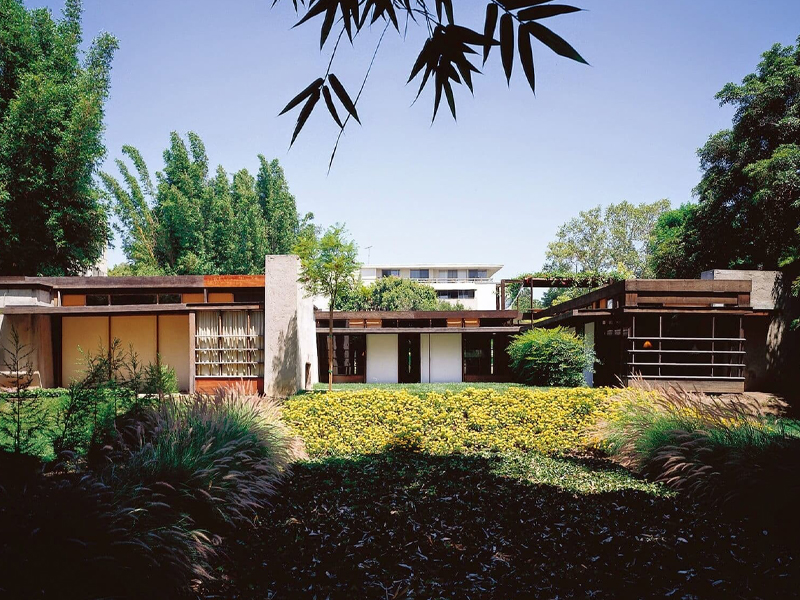
Los Angeles · Schindler & Neutra
Bauhaus ideas in Californian living — open plans, indoor-outdoor logic, and modern life as spatial system.
Legacy becomes adaptation: modern principles translate into climate, landscape, and new domestic rituals.
- Modern housing experiments tied to broader European modernism
- Space designed as workflow and daily pattern
- Precision and freedom balanced through clear structure
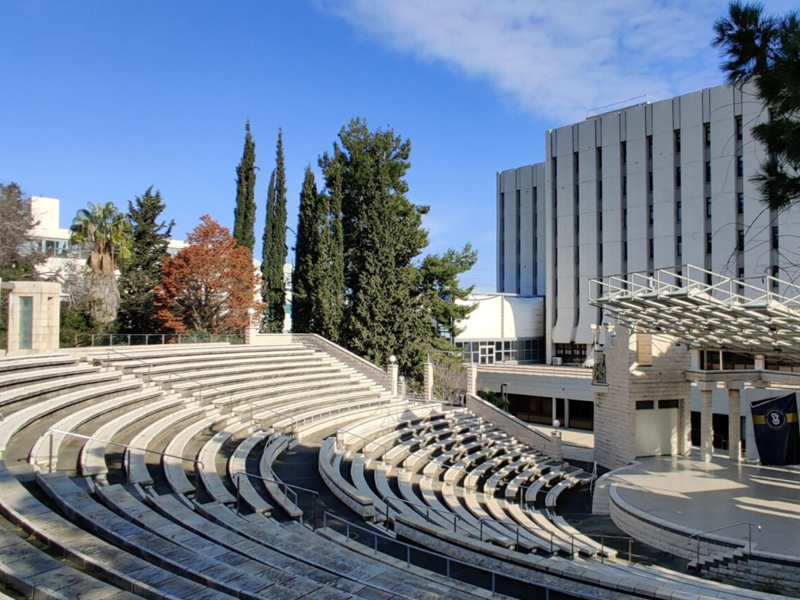
Haifa · Technion
Bauhaus teaching logic in an academic context — modern design as discipline, research and applied practice.
Legacy is sustained where knowledge is reproduced: curricula, studios, standards, and a culture of making.
- Academic structures that carry modern principles forward
- Design and engineering as a shared language
- Method persists through training and institutional continuity
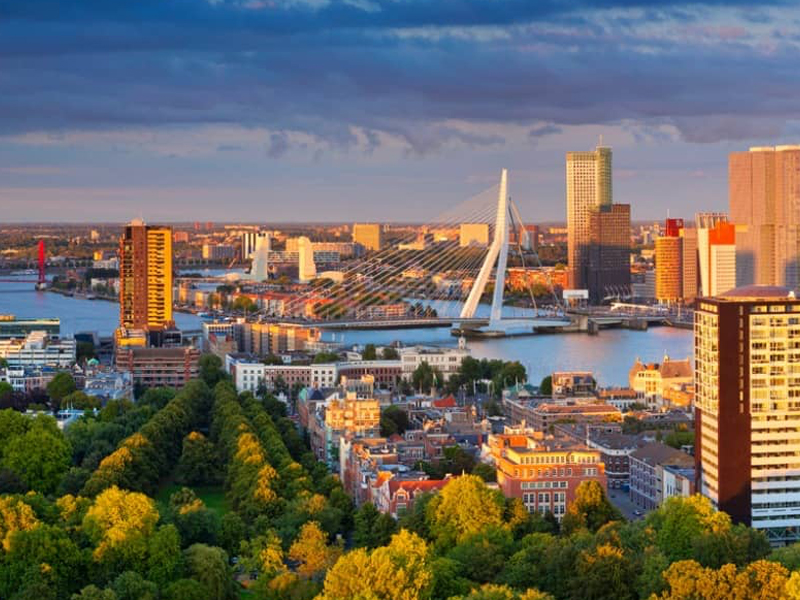
Rotterdam · City & Industry
Function, infrastructure, and system thinking — modernity expressed through production, logistics and urban form.
Legacy is not only housing. It is the modern city as a machine of work, movement and organization.
- Industrial modernism as architectural clarity
- Space organized by workflow and circulation
- Design as an operating system for the everyday
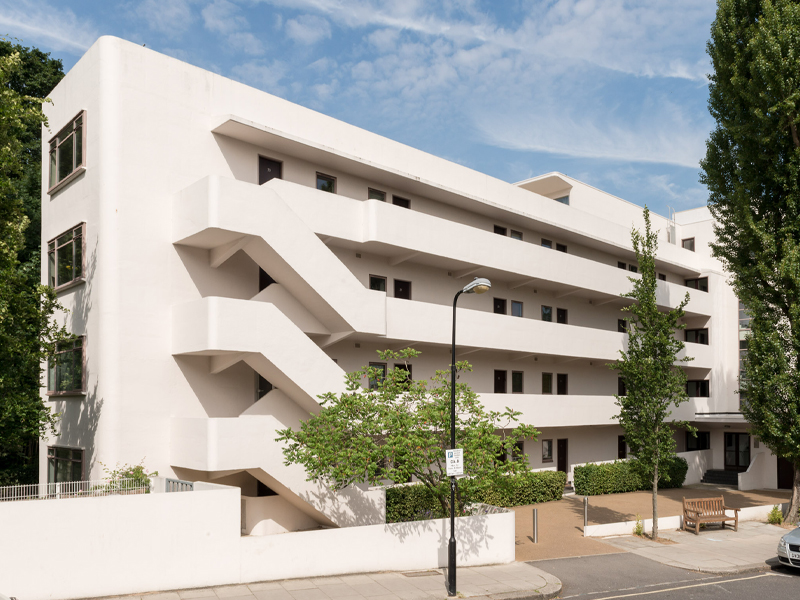
London · Isokon Building
Exile, collective living, and modern community — the city absorbs modern typologies and new social formats.
Legacy appears as a social proposal: compact living, shared life, and a modern attitude inside a dense metropolis.
- The Isokon (Lawn Road Flats) as a modernist housing model
- Modern design networks intersect with urban life
- Housing understood as typology, not luxury
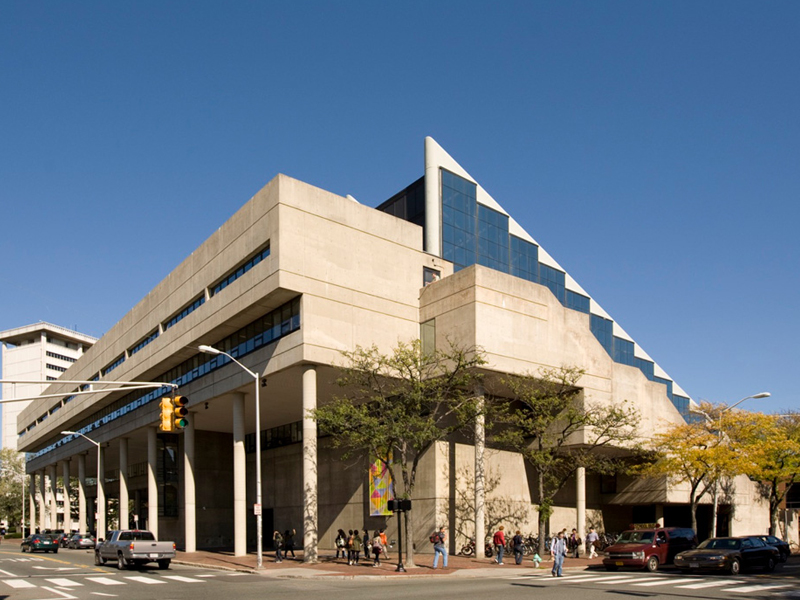
Harvard (Cambridge, MA) · GSD
Gropius’ pedagogical legacy — modernity institutionalized through studio culture, method, and training.
Legacy is strongest where it reproduces itself: through teaching, critique, and the daily discipline of making.
- Walter Gropius taught at Harvard after emigrating to the United States (from 1937)
- Design education as framework: process, critique, and standards
- Bauhaus method translated into a new academic ecosystem
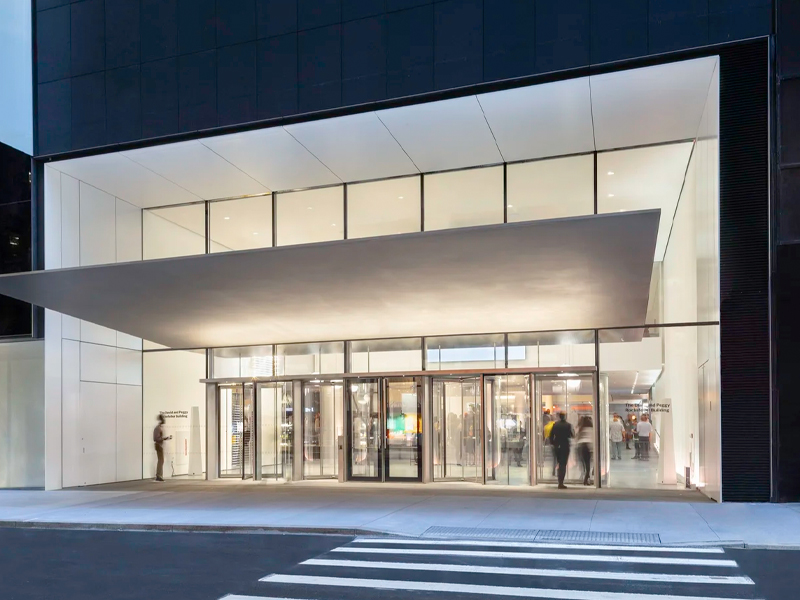
New York · MoMA & Bauhaus Reception
Institutionalization of modernity — Bauhaus enters the global canon through exhibitions, publications and curatorial framing.
Legacy becomes public language: modern design is named, collected and disseminated — method presented as history and reference.
- MoMA’s 1938 “Bauhaus 1919–1928” publication (edited by Herbert Bayer, Walter Gropius, Ise Gropius)
- Modernism framed for a global audience through institutions
- From school to canon: the afterlife of the Bauhaus narrative
Discover the Bauhaus Movement
Legacy · Method · Continuation
Continue with The Journey.
Legacy is the continuation chapter. The Journey connects origins, system, break and dispersion — and the worldwide afterlife — into one readable route with clear structure and depth where it matters.
View The Journey