
SOCIETY AS A DESIGN PROBLEM
Weissenhof · Where it scaled socially
Weissenhof marks a key moment in modernism: a public demonstration that the “new way of living” is not decoration, but typology, standardization, and social responsibility — a built model of architecture serving society.
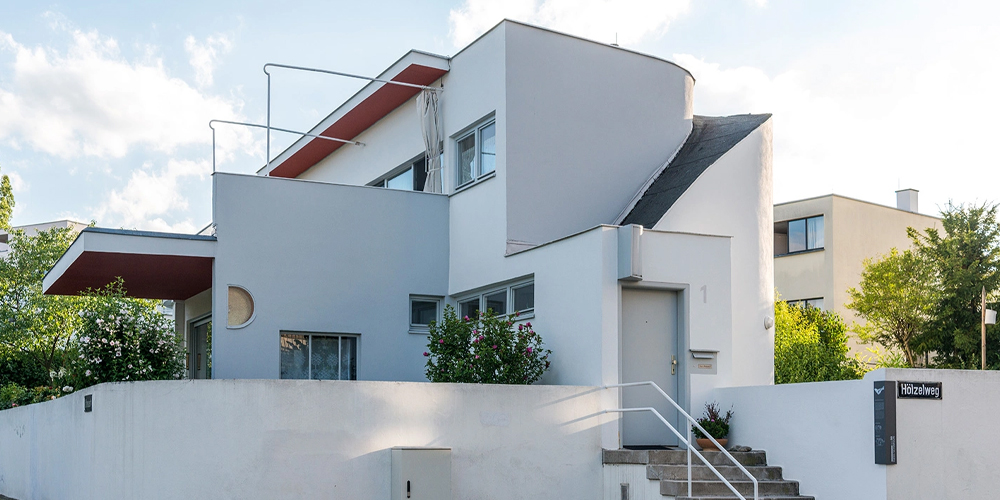
Typology, standard, responsibility
A built argument: modern dwelling as system — designed for real life, not as a stylistic label.
Weissenhof · Society & typology
Prototypes. Institutions. Urban responsibility.
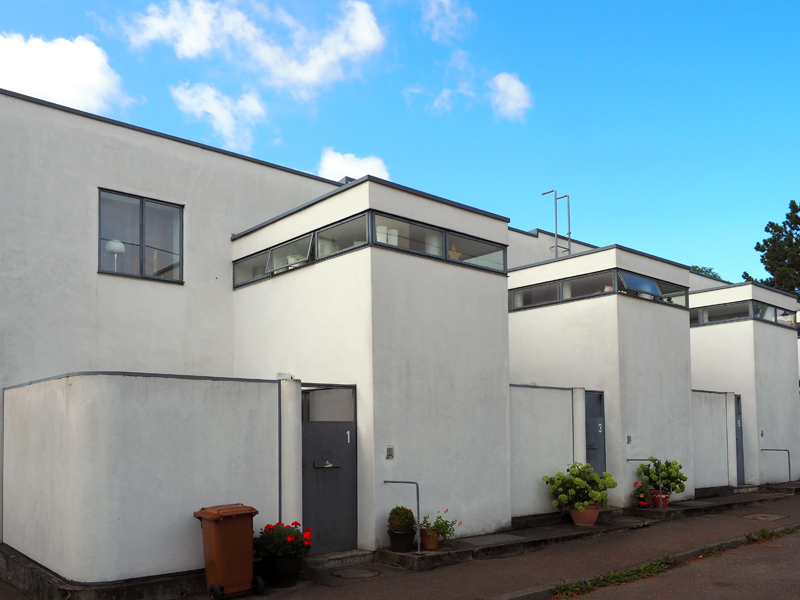
Weissenhofsiedlung
International prototype of modern living: housing as a public model — light, air, plan, and typology.
Weissenhof is modernism made public: a neighborhood built as an argument about how society should live — rational, healthy, and readable.
- Housing presented as a system, not as isolated architecture
- Typology and standardization as answers to social need
- A built “catalog” of the modern home
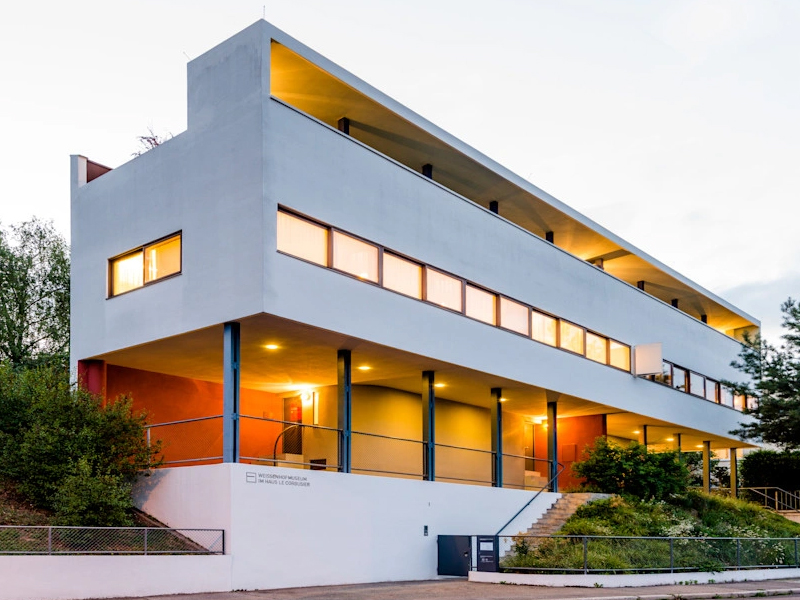
Haus Le Corbusier
An icon of modernity: stacked living, terrace logic, and a disciplined system for everyday life.
Weissenhof’s most legible manifesto: living is organized as sequence — structure, light, circulation, and proportion acting as method.
- Domestic architecture as a repeatable model
- Spatial clarity: zones, movement, and function
- Modern living framed as responsibility, not taste
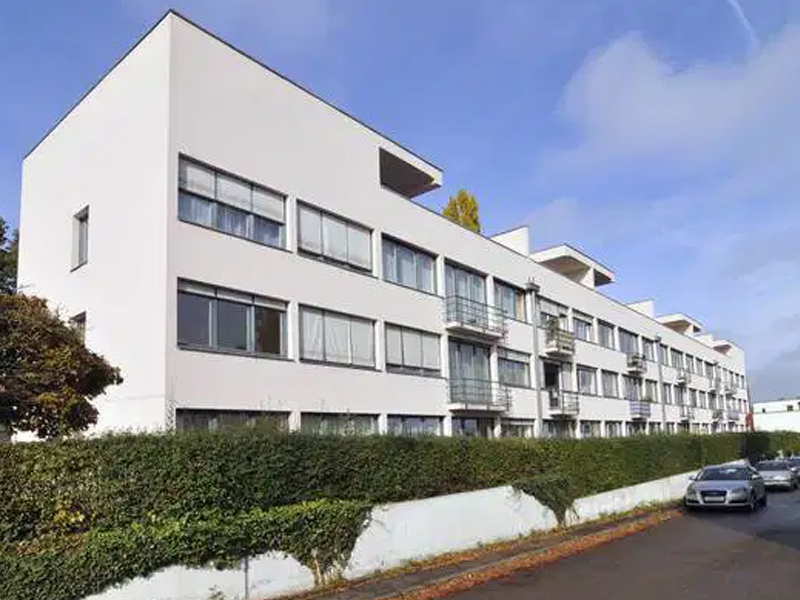
Haus Mies van der Rohe
Structure and clarity: an early reading of Mies’ discipline — space reduced to order and proportion.
The Weissenhof era shows Mies’ core: not style, but decision-making. Architecture becomes a calm system that guides living.
- Plan as logic: clear rooms, clear relations
- Modern domesticity without ornament
- Method visible in proportion, detail, restraint
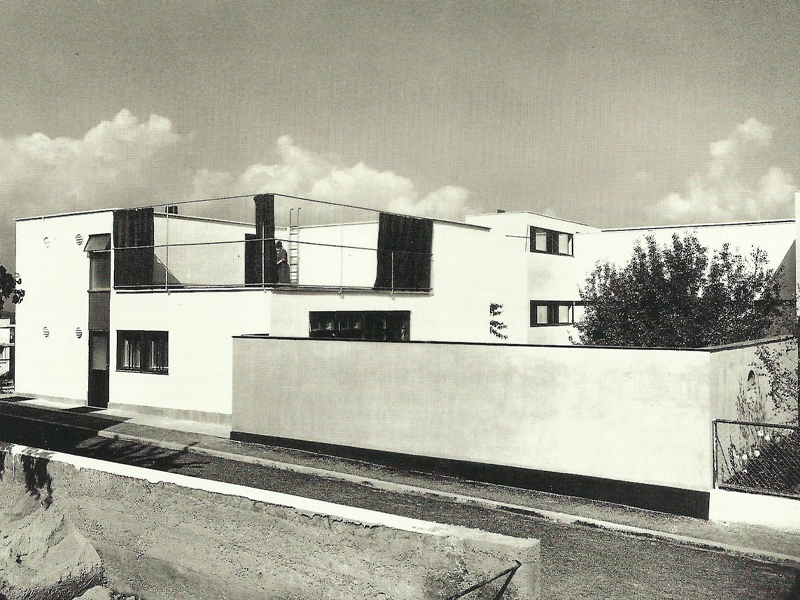
Haus Gropius
Function and typology: dwelling reduced to essentials — a repeatable model built for everyday reality.
Gropius’ Weissenhof position reads as Bauhaus DNA: standard, clarity, and the belief that good living can be designed at scale.
- Housing as system: plan, light, and economy
- Prototype thinking: repeatable, rational, precise
- Modernity as social practice
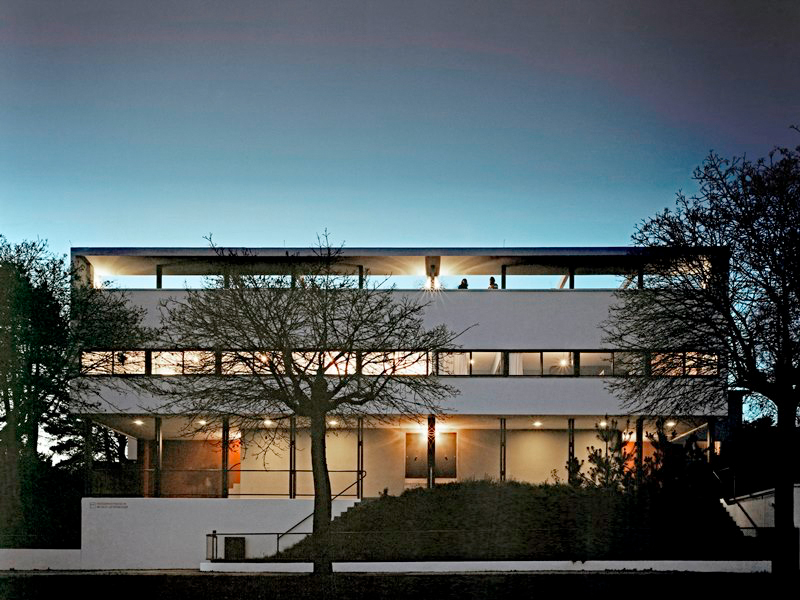
Weissenhofmuseum (Haus Le Corbusier)
A curated reading of the estate: modern living explained through plans, interiors, and historical context.
The museum frames Weissenhof as method: not “beautiful houses,” but a disciplined response to housing, health, and modern society.
- Weissenhof as typology laboratory
- Interiors and objects as evidence of intent
- Contextual reading over icon worship
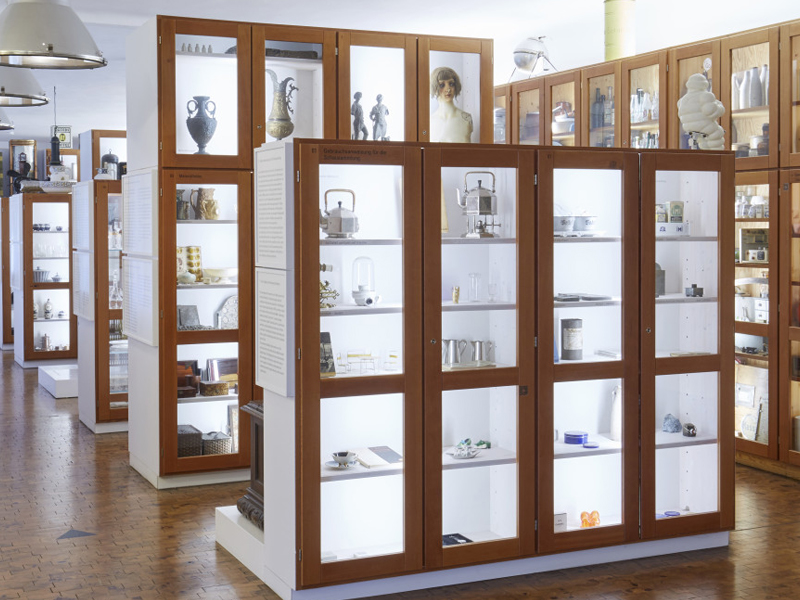
Werkbundarchiv
Design history as documentation: where exhibitions, objects, and debates become structured memory.
Weissenhof is inseparable from the discourse of design reform. The archive preserves the institutional logic behind the built prototype.
- Exhibitions as cultural instruments
- Objects + documents as historical proof
- Design as responsibility in public life
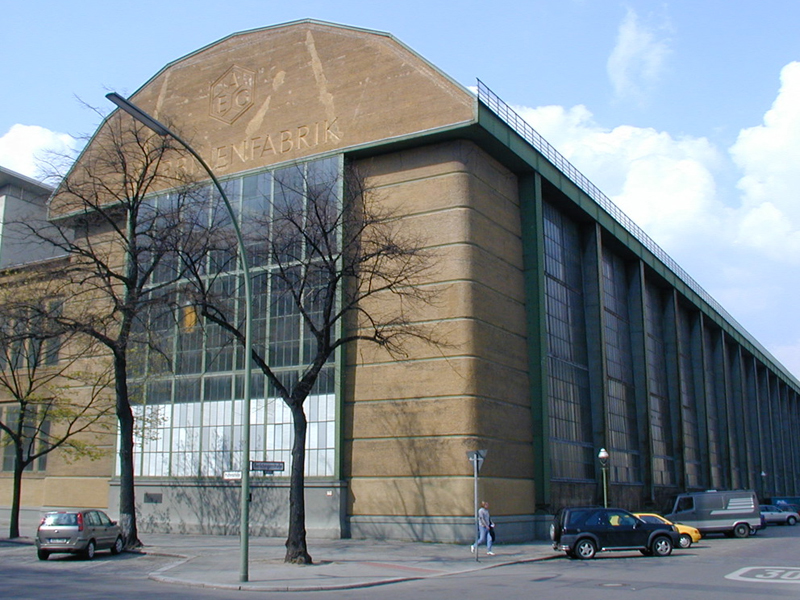
Deutscher Werkbund
The institutional engine behind the “new living”: quality, industry, and culture aligned as a public project.
The Werkbund frames Weissenhof as more than architecture: a coordinated effort to reform everyday life through design and production.
- Design reform as civic strategy
- Industry and culture in a single program
- Exhibition as a tool for societal change
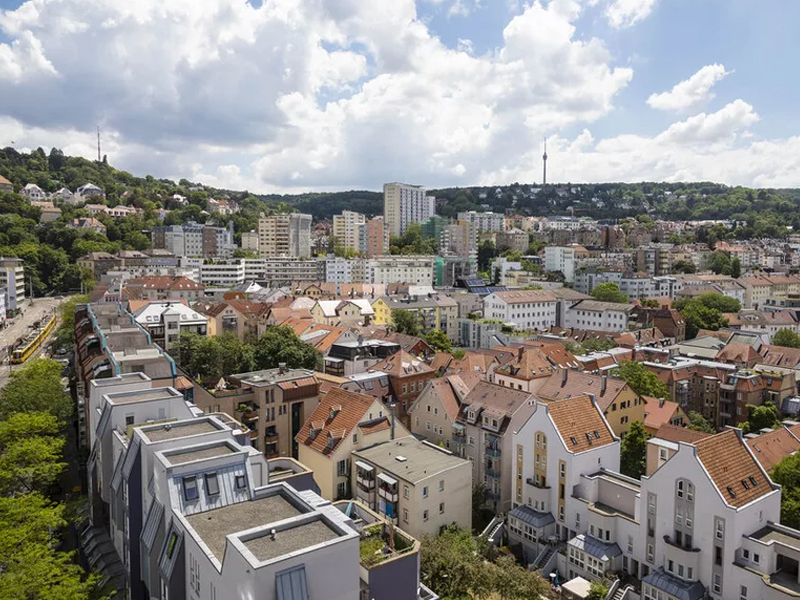
Stuttgart urban development (1920s)
A city under pressure: growth, housing shortage, and modernization — the conditions that made Weissenhof necessary.
Weissenhof is not an isolated masterpiece. It is a response to the 1920s: housing as policy, urbanism as responsibility, design as tool.
- Housing demand as a structural driver
- Modernization of infrastructure and living standards
- Urban context as part of the architectural argument
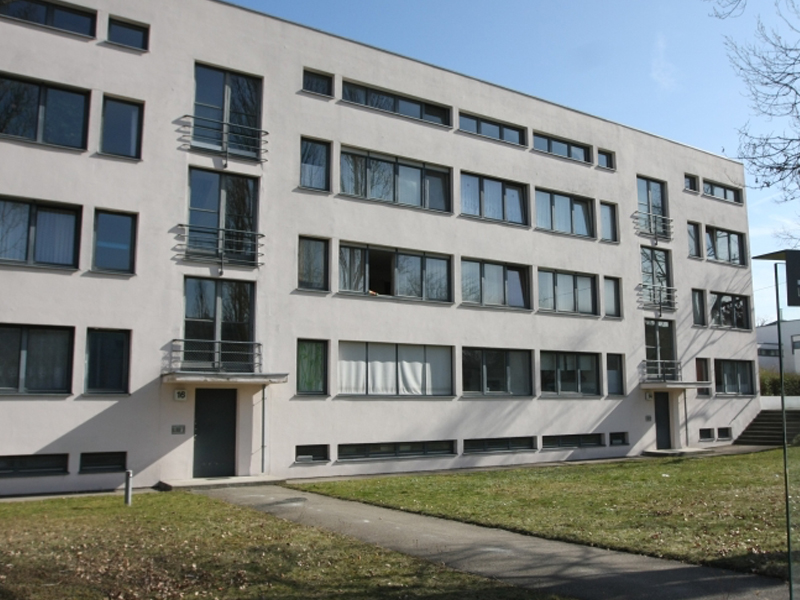
Modern settlement architecture
From exhibition to reality: modern housing logic becomes a lasting typology across the city and region.
The Weissenhof moment radiates outward: standards, plans, and social priorities translate into broader settlement building and policy.
- Typology as a lasting instrument
- Standardization as affordability strategy
- Modernism measured by daily life, not by rhetoric
Discover the Weissenhof Estate in Stuttgart
Society · Typology · Modern living
Continue with The Journey.
Weissenhof is the society-and-typology chapter. The Journey connects these layers — origin, system, dispersion, and prototype — into one readable route with clear structure and depth where it matters.
View The Journey