
LEARNING AS PRACTICE
Weimar · Where it began
Weimar is where Bauhaus begins: learning by making, workshop logic, and collective practice. Not style first, process first. These locations form a coherent sequence: institutions, buildings, and contexts that make the early Bauhaus legible.
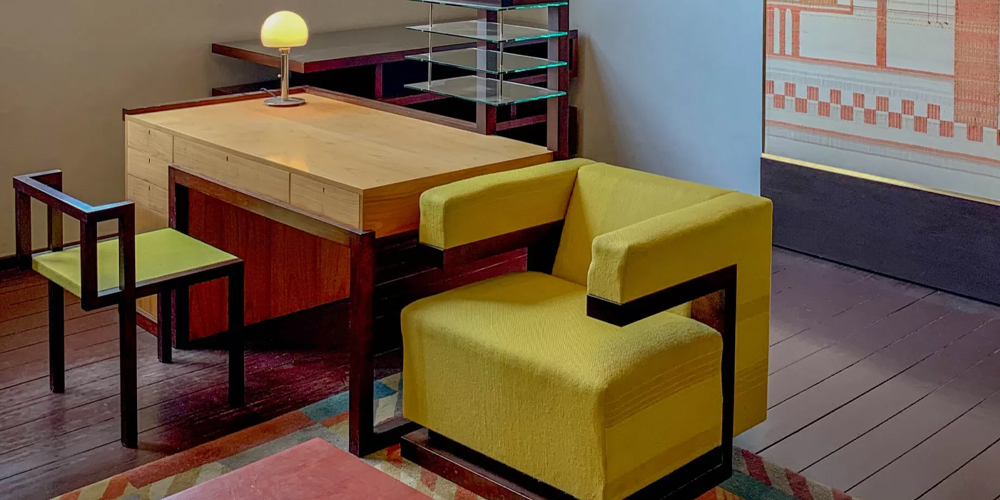
Read the city as a method
A structured layer of places where early Bauhaus ideas became practice — in teaching, space and daily life.
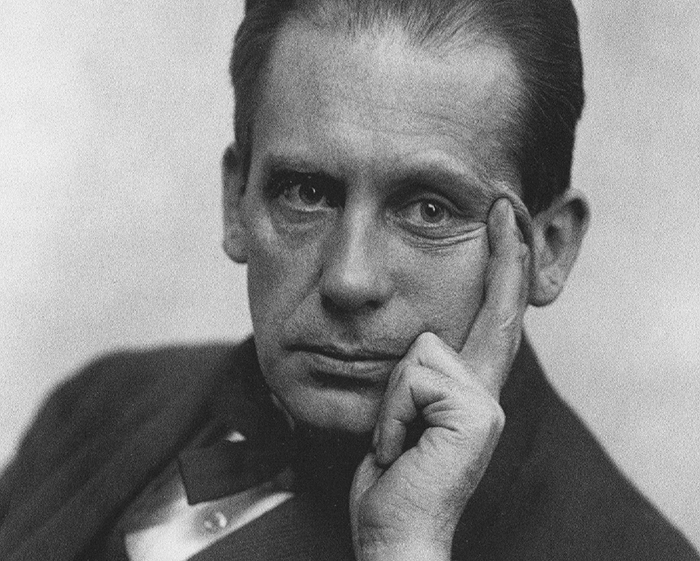
Bauhaus locations in Weimar
Clear structure. Short reading. Optional depth.
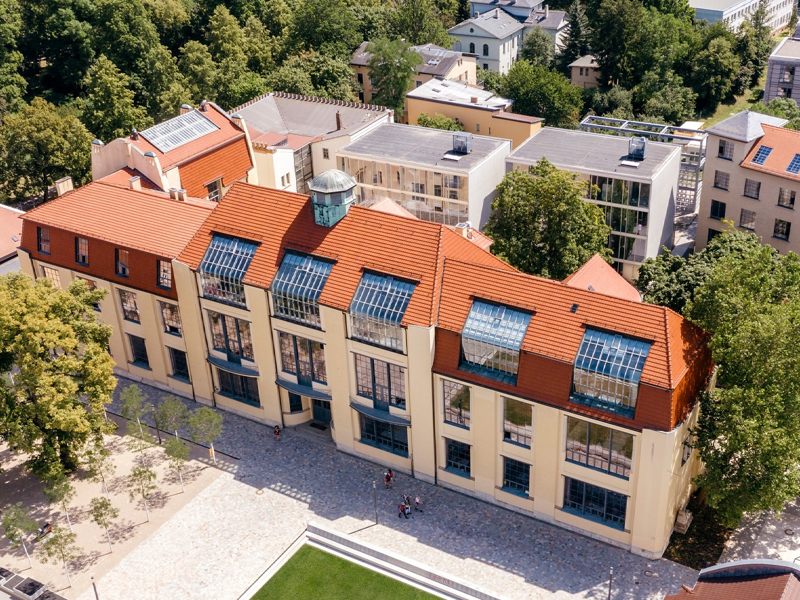
Bauhaus University Weimar
Origin of Bauhaus teaching in 1919. Workshop thinking, collective practice, and learning through making.
This is the conceptual ground of the early Bauhaus: method over style, practice over rhetoric.
- Workshop logic as a teaching model
- Collective learning as cultural practice
- Weimar as the experimental phase
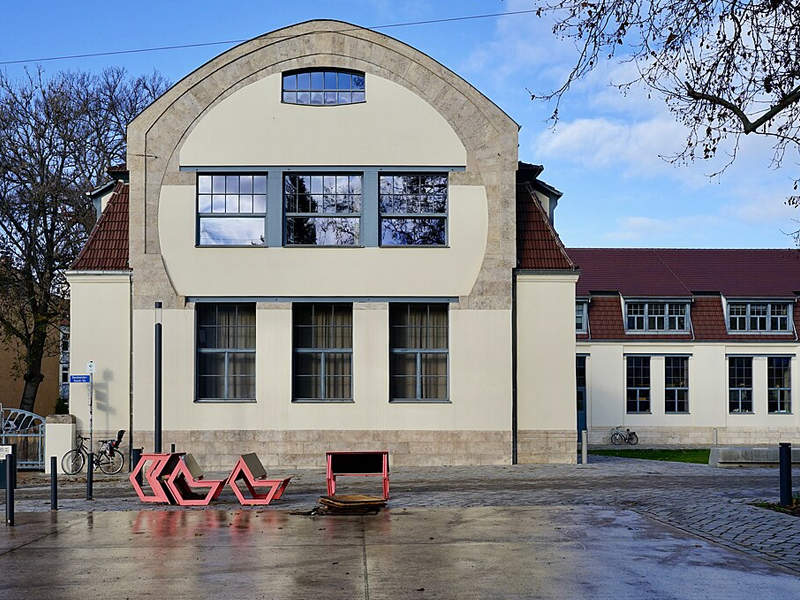
Van de Velde Building
Henry van de Velde’s architectural precursor. Space as a pedagogical tool and a bridge into modern teaching.
A transition building: it frames the shift from applied arts toward the Bauhaus method.
- Architecture that teaches by rhythm and proportion
- Pre-Bauhaus logic in spatial form
- Context for early institutional culture
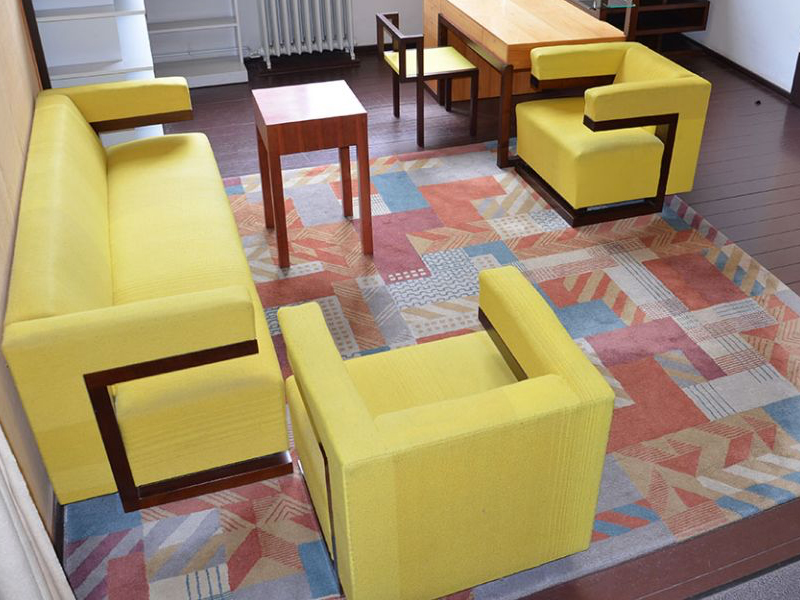
Director’s Office
Workspace of Bauhaus leadership. Where direction, teaching philosophy and institutional decisions were defined.
This office represents the organizational core of the early Bauhaus: leadership as part of the educational system.
- Direction shaping teaching practice
- Leadership as methodological framework
- Decisions influencing daily routines
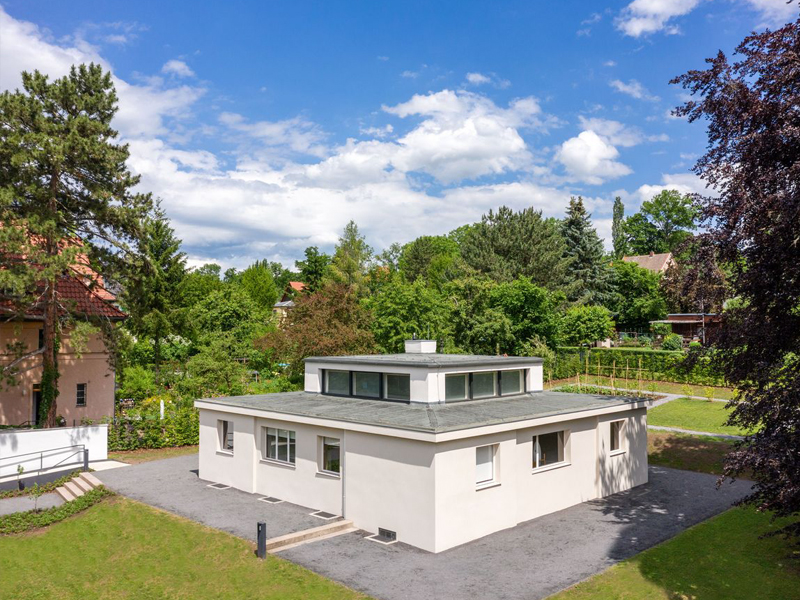
House Am Horn
First Bauhaus house (1923). Living as a system: prototype logic instead of ornament and style.
A full-scale experiment: architecture, interior and daily life aligned into a functional whole.
- Prototype housing as Bauhaus argument
- Material logic and reduced form
- Everyday life as design field
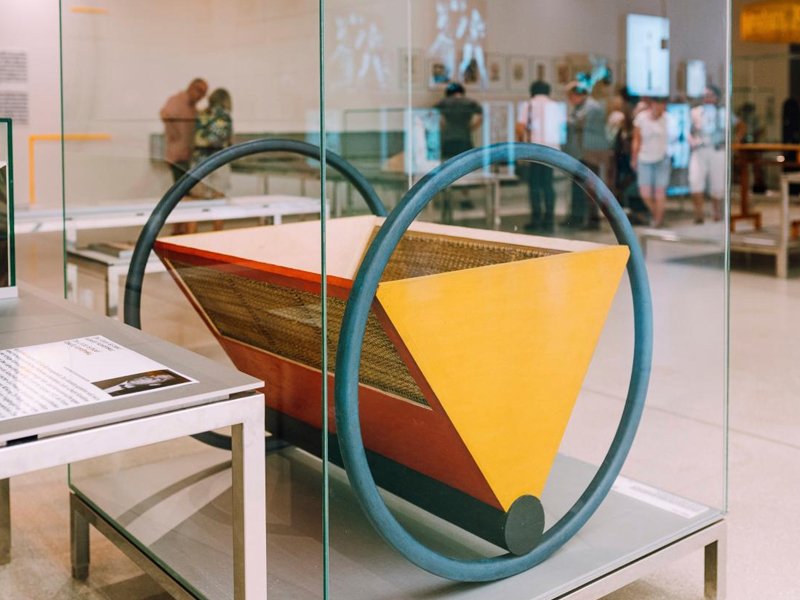
Bauhaus Museum Weimar
Focus on 1919–1925. Originals and documents — clarity over spectacle, evidence over narration.
The early Bauhaus becomes readable through objects, typography, photographs and workshop outputs.
- Evidence-based encounter
- Work and method in material form
- Weimar years as foundational layer
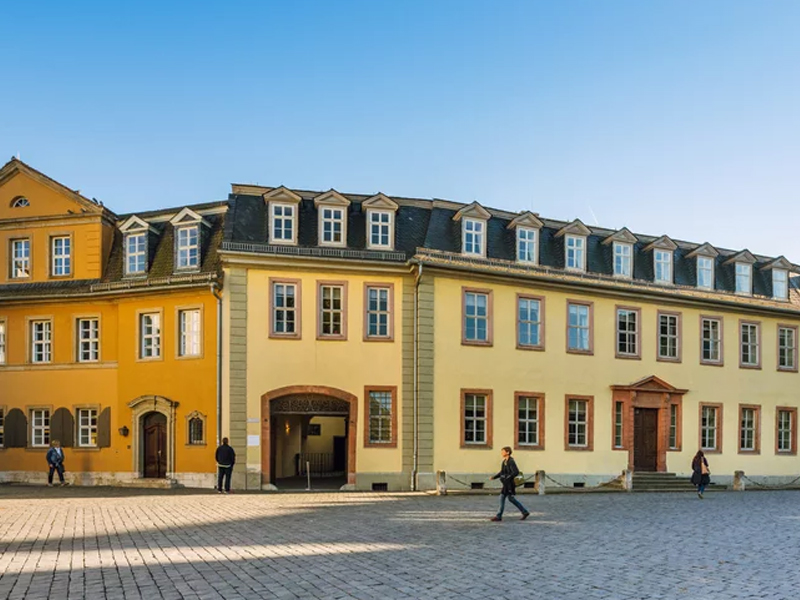
Klassik Stiftung Weimar
Institutional framework and curatorial authority. Weimar’s cultural context made explicit and legible.
Bauhaus is not isolated. In Weimar it exists in tension with a dense cultural landscape.
- Contextual reading: classicism vs. modernity
- Institutional structure as cultural force
- Curatorial framing for deeper understanding
Walter Gropius · Where it began
The Journey to Modernity
Continue with The Journey.
Weimar is the starting point. The Journey connects the next chapters — Dessau, Berlin and further Bauhaus contexts — into one readable route with clear structure and depth where it matters.
View The Journey