柏林
这里,包豪斯走向世界。柏林成为紧张的角力场:政治、文化、工业。方法扩散并转变。

这里,包豪斯走向世界。柏林成为紧张的角力场:政治、文化、工业。方法扩散并转变。
这里的包豪斯变成了一个系统。德绍将生活组织起来:将建筑、居住和工作作为一个连贯的结构。该方法形成了形式。
这里建造了包豪斯。德绍塑造了这种方法:结构、日常生活、建筑作为一个连贯的系统。这是包豪斯的起点。
前往包豪斯从理念变为现实的地方。在德绍,通过运动、使用和日常空间体验建筑。
选择您的项目和旅行日期。我们协调在包豪斯各站点的访问、路线和时间表,提供一个由结构、清晰度和专业执行所塑造的专注体验。
DESIGN AS A SYSTEM
After Weimar’s experimental beginning, Dessau is the chapter of implementation: a school built as a machine for learning, housing built as an industrial process, and public architecture that turns method into everyday reality.
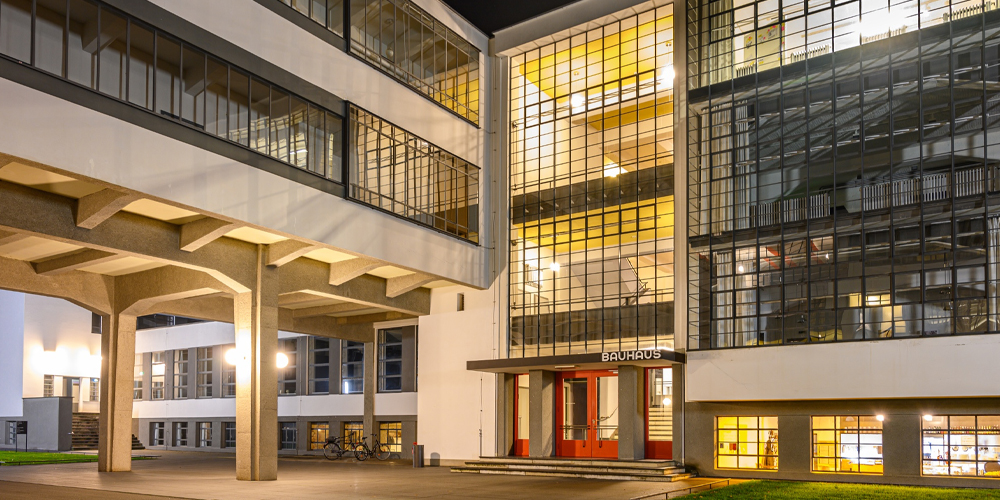
From idea to infrastructure
In Dessau, Bauhaus stops being a promise — and becomes a functioning model across school, housing and civic life.
Clear structure. Short reading. Optional depth.
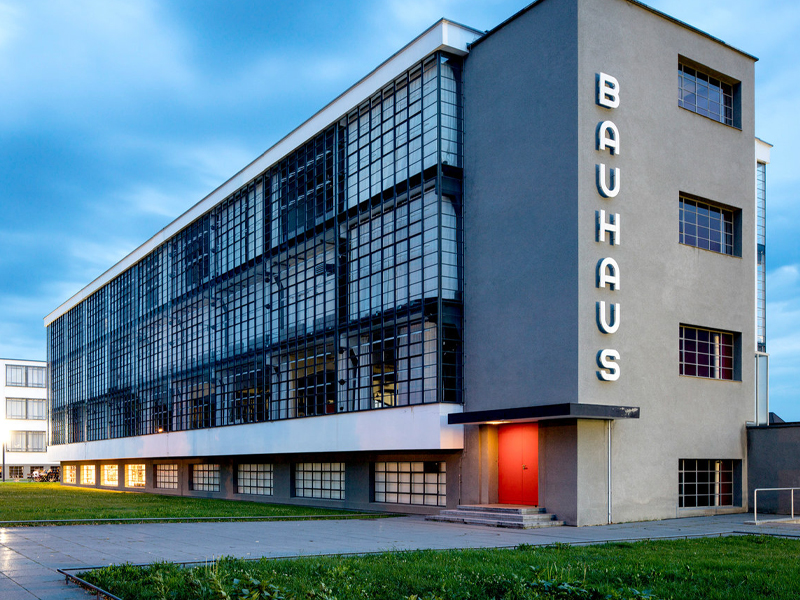
A built manifesto (1925–26): glass, concrete and circulation turned into an operating system for learning.
In Dessau, the school becomes architecture: workshops, studios and shared life organized for collaboration and production.
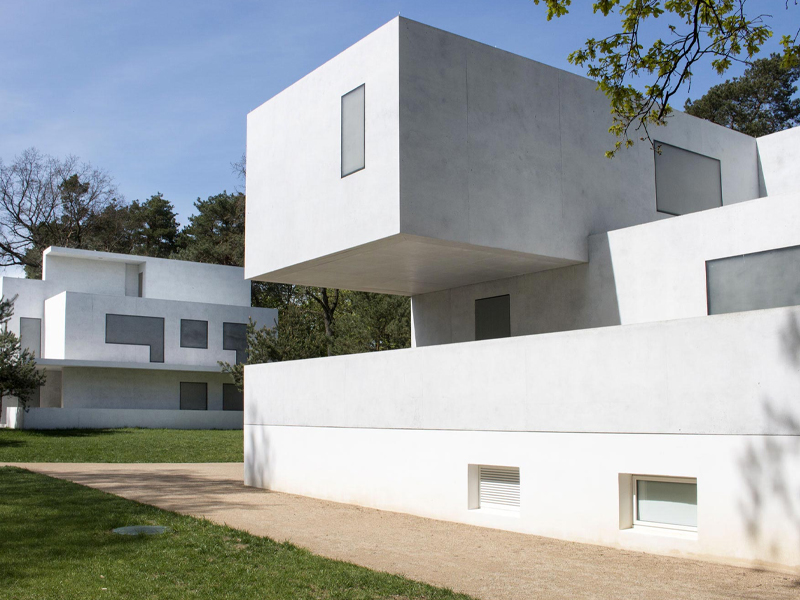
A cluster of living and working spaces (1926): private life, color, furniture and practice as one continuum.
Not villas, but prototypes of modern living: daily routines, interiors and artistic thinking aligned with Bauhaus method.
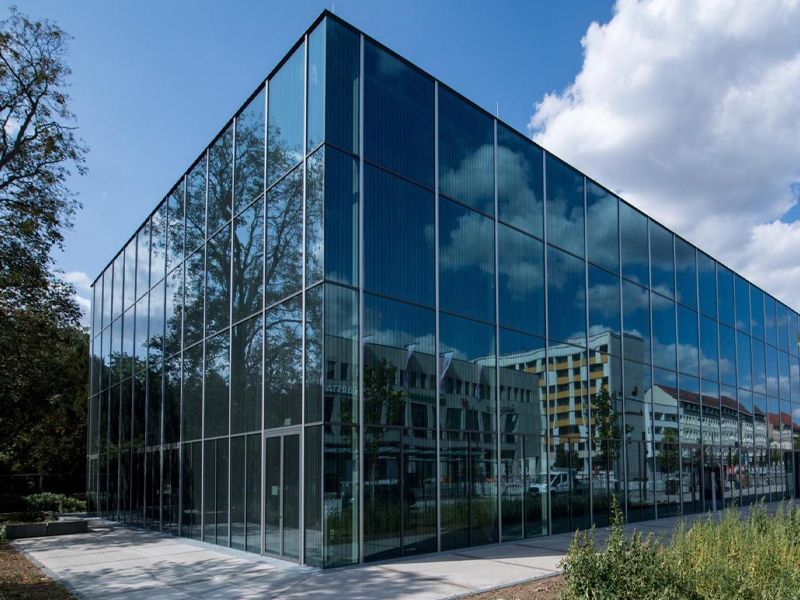
Bauhaus in the 21st century (opened 2019): collection, evidence, and reflection — method made legible through objects.
The Dessau chapter is read through originals: prototypes, documents and material culture that reveal how the system worked.
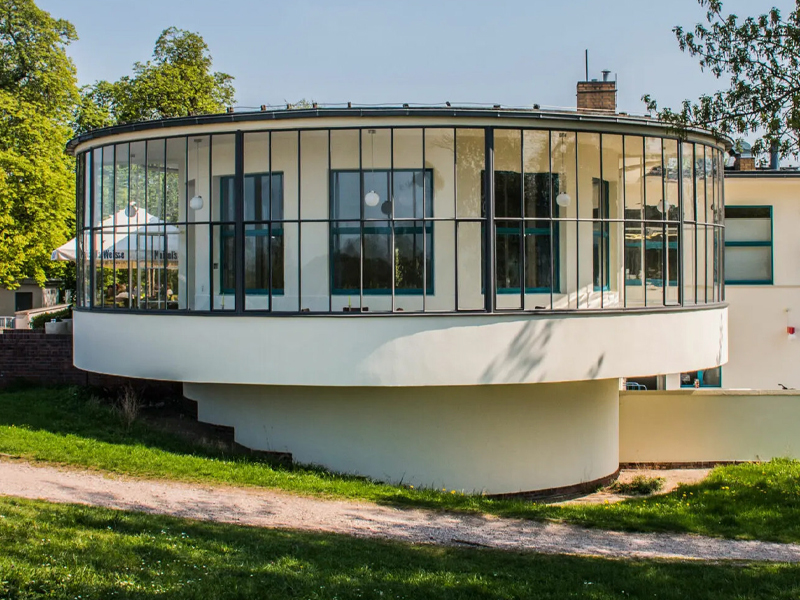
Functional architecture for public life (1930): an everyday place designed with Bauhaus clarity at the Elbe river.
Here, modern design is not a lecture — it is a social setting: terrace, rhythm, signage, and atmosphere for daily use.
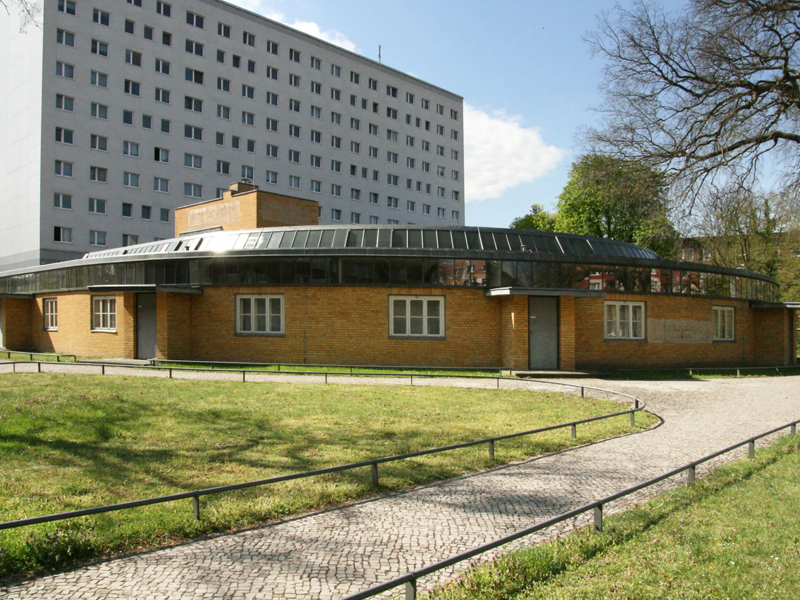
Architecture in public service (1928–29): rationalized movement and clarity of function for everyday administration.
A Bauhaus logic applied to the city: workflows, waiting, guidance — designed as a legible system rather than ornament.
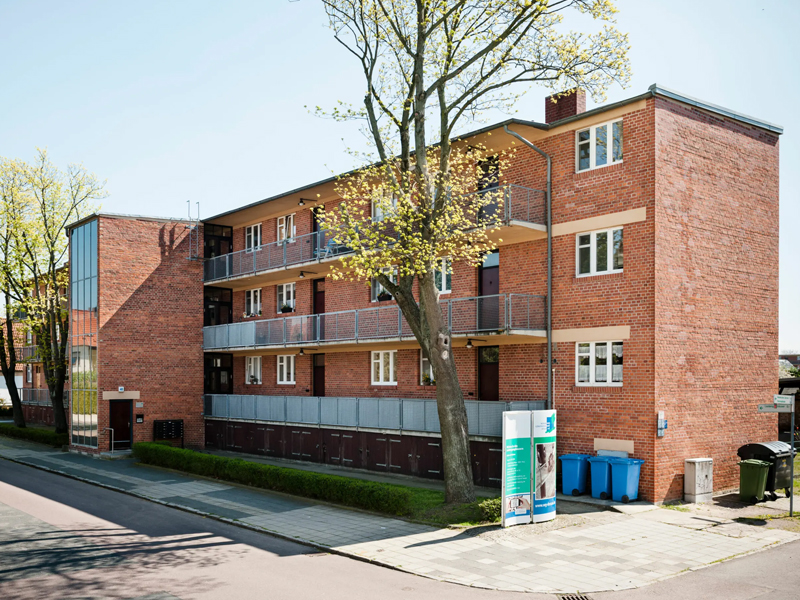
Social housing as system solution (1929–30): access galleries, repetition and economy — built for real need.
The shift is visible: from the single experiment to scalable housing logic — rational, collective and socially oriented.
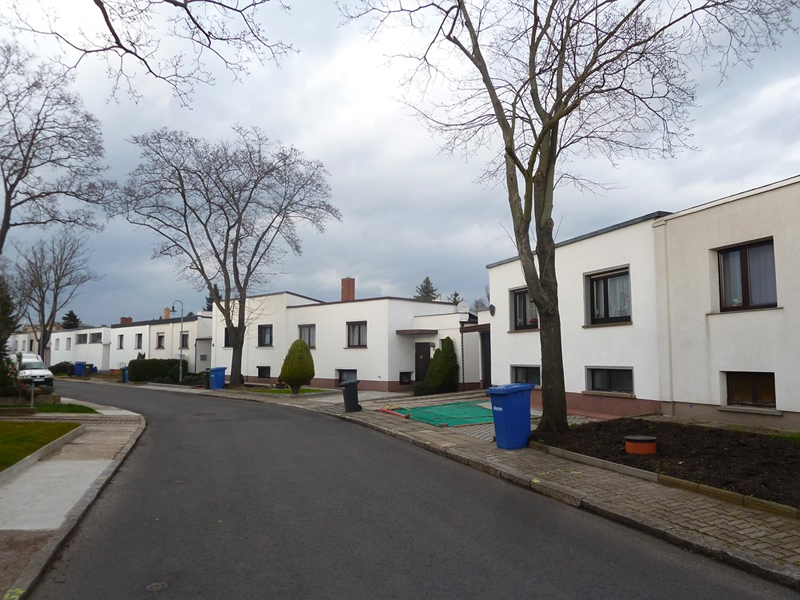
Industrialized housing construction (1926–28): standardized row houses as an experiment in affordability and production.
This is Bauhaus thinking at scale: modularity, speed and cost — housing as an industrial process with human consequences.
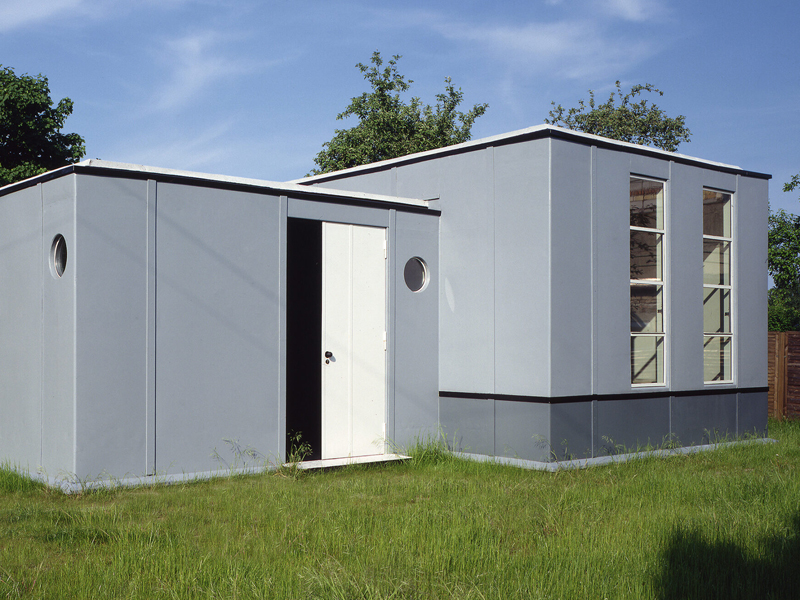
Material experiment & prefabrication (1926–27): a prototype exploring dry construction and industrial skin.
The ambition is clear: build faster, lighter, and with repeatable parts — a laboratory for modern production methods.
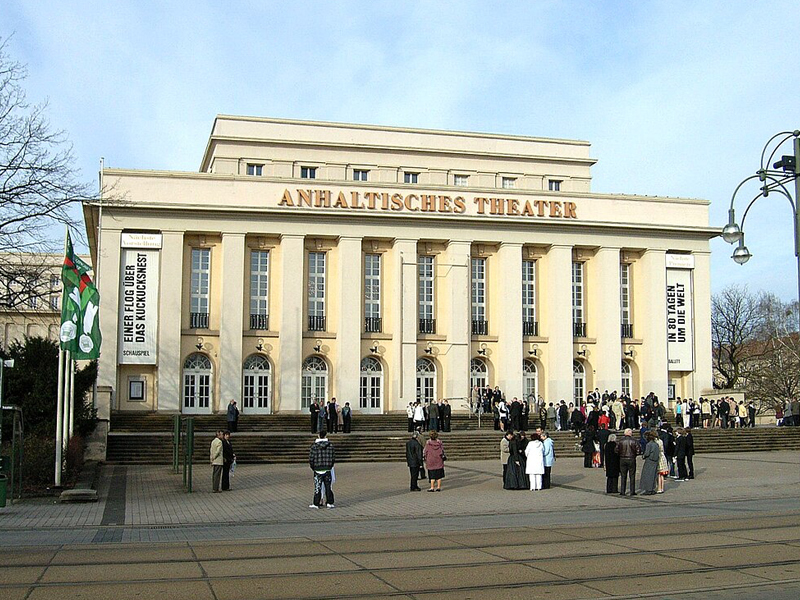
A multi-genre stage for the city: performance, music, and public culture as part of Dessau’s modern identity.
Dessau is not only buildings — it is a civic rhythm. Theater makes the social dimension visible: gathering, emotion, and form.
System · Space · Society
Dessau is the system chapter. The Journey connects the next layers — Berlin and further Bauhaus contexts — into one readable route with clear structure and depth where it matters.
View The JourneyJourneys · Group formats · Booking logic